Solar indoor lights often fail faster than expected due to battery issues, poor panel placement, and low charging efficiency. Learn the main causes and how to avoid them.
Many people buy the Best solar indoor lights expecting long lasting, maintenance free lighting, but they often stop working properly sooner than expected. In most cases, the issue is not just product quality but how these lights are charged and used indoors. Limited sunlight exposure, low grade batteries, and poor installation setups can quickly reduce performance and lifespan. Knowing the real reasons behind these failures helps readers choose better products and get more reliable results.
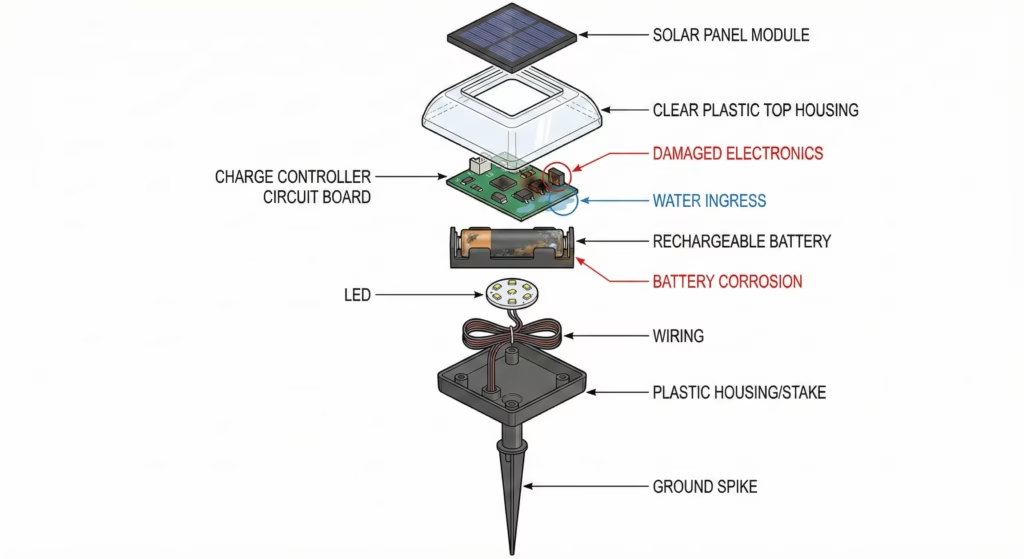
Most solar lights fail quickly because the cheap parts that store and manage power wear out first, usually the rechargeable battery, the solar panel, or the electronics and poor design or installation speeds that up. Below is a quick, practical breakdown and what to do.
Top reasons they die fast
- Dead rechargeable battery: Cheap NiMH or NiCd cells in many units only last 1 to 2 years, sometimes less if they are overcharged, deeply discharged, or exposed to heat.
- Weak or dirty solar panel: Dirt, shading, wrong angle, or a low-quality panel reduce charging so the battery never gets enough energy.
- Poor sealing and water damage: Moisture causes corrosion or shorts in the electronics and contacts.
- Cheap electronics or sensors: Low-quality charge controllers, switches or dusk-to-dawn sensors can fail early.
- Overheating: Batteries and circuitry degrade faster if the unit sits in direct hot sun all day without ventilation.
- Wrong battery type or poor replacement: Installing the wrong size/capacity or a low-quality replacement battery leads to repeat failures.
- Seasonal or location limits: In winter or on cloudy sites there is simply not enough light to fully charge the battery.
Quick checks you can do right now
- Clean the panel and place the light in full sun for several hours. See if runtime improves.
- Open the compartment and inspect the battery for bulging, corrosion, or leaking. If any of those are present, replace the battery and dispose of the old one safely.
- Measure the panel voltage in bright sun with a multimeter. Expect something near the panel’s rated open-circuit voltage (often 2 to 6 volts for small lights). Very low or zero voltage means a bad panel or broken wiring.
- Measure the battery voltage. If it is far below its rated voltage even after a sunny day of charging, the battery is likely dead.
- Test the LED directly. If the LED won’t light when fed with a known-good battery, the LED or its driver may be bad.
- Look for water entry points and corroded contacts. Clean and dry; re-seal if possible.
Fixes that actually help
Here are the fixes that will make your solar lights last longer.
- Replace the rechargeable cell with a higher-quality equivalent (same chemistry and size). Use quality NiMH cells or the recommended type.
- Clean or slightly reposition the panel so it gets full, direct sun for most of the day. Angle the panel toward the sun.
- Improve sealing: apply silicone to seams, replace rubber gaskets, or move the unit to a less exposed spot.
- If electronics are fried or the light is very cheap, replacing the whole unit may be cheaper than repairing.
- Use a solar light rated for your climate and with replaceable batteries and a warranty.
What to look for when buying to avoid early failure
- Replaceable batteries and clear specs on battery type.
- Monocrystalline or high-efficiency panel rather than amorphous plastic panels.
- IP65 or higher weather rating for outdoor use.
- A decent warranty and solid build (stainless contacts, good gaskets).
- Reviews that specifically mention battery life and durability.
Lifespans to expect (rough guide)
The life expectancy of solar lights is:
- LED: 25,000 to 50,000 hours if the LED and driver survive.
- Battery: 1 to 3 years typical for cheap units; quality NiMH can be better.
- Panel: several years; gradual efficiency loss over time.
Safety and disposal
- Don’t throw rechargeable batteries in regular trash. Follow local battery disposal rules or take them to a hazardous-waste or battery recycling drop-off.
- If a battery is swollen or leaking, handle with gloves and avoid skin contact.