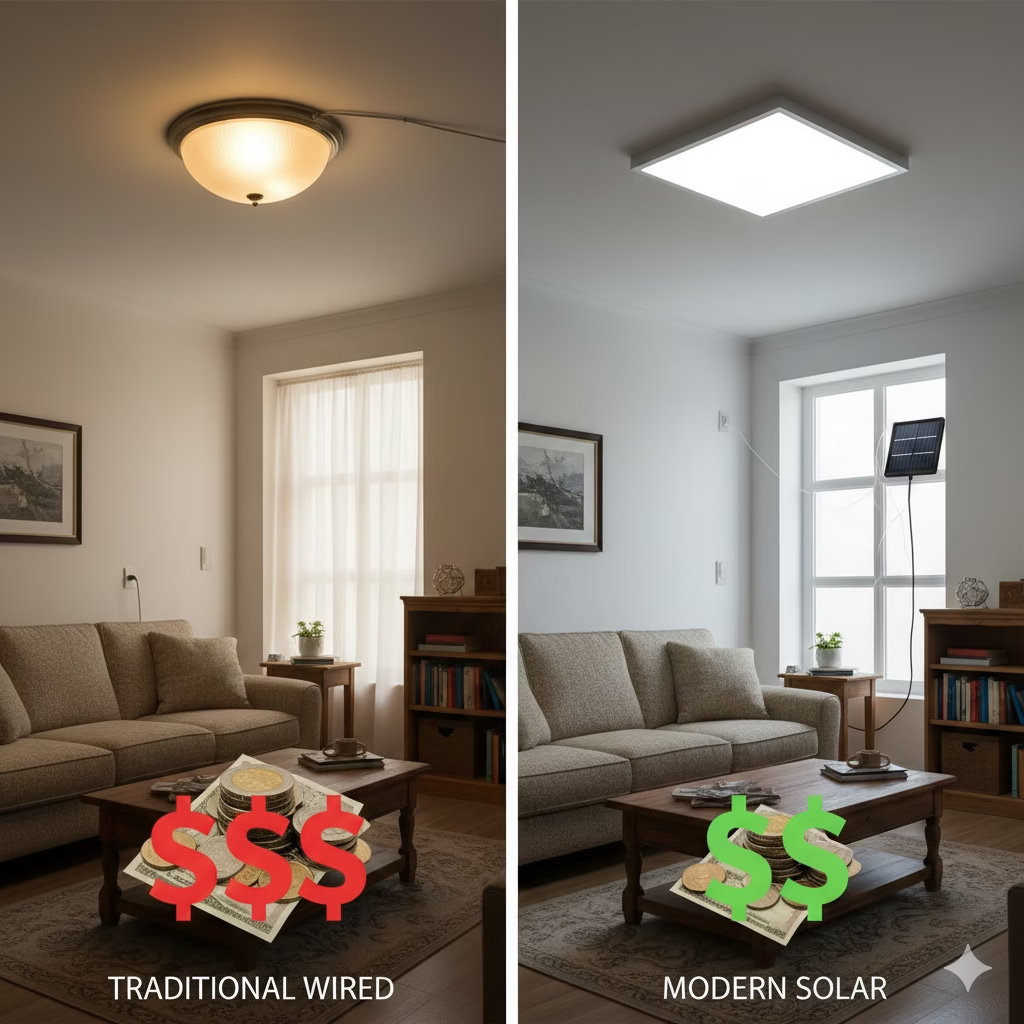
Are solar indoor lights really worth the cost? Learn the real benefits, limits, and use cases to decide if solar indoor lighting is a smart investment for your home.
Many homeowners looking to cut electricity costs and add backup lighting are now considering the best solar indoor lights for home use. These systems promise lower bills, easy setup, and reliable light even during power outages. But are they actually worth your money, or just another trendy gadget? The real answer depends on how you plan to use them, your location, and what you expect in terms of brightness and performance. Let’s break it down in simple terms so you can decide with confidence.
Types of Solar Indoor Lights
Solar indoor lighting comes in many forms.
- Motion-Sensor Lights (often floodlight-style) automatically switch on when they detect movement, making them useful for security or convenience in sheds, garages, or hallways.
- Ceiling and Pendant Lights include fixtures designed to be mounted overhead; they combine solar panels (or wiring to remote panels) with built-in LED bulbs, letting whole rooms light up without traditional wiring.
- Desk and Portable Lamps are compact, wireless lamps with built-in solar panels or battery connectors. These “no-cord” lamps can be charged by the sun and moved around as needed. They provide task lighting (e.g. reading or work desks) in off-grid settings or where convenience is key.
- Finally, Emergency Lighting Systems use dedicated battery backup (charged by solar panels) to keep lights on during power outages. These often have built-in sensors to auto-switch on during a blackout, ensuring critical areas remain lit.
For a deeper breakdown of performance, costs, and real world use cases, check out the complete solar indoor light handbook.
Cost-Effectiveness of Indoor Solar Lights
Compared to mains-powered lighting, solar indoor lights have higher upfront costs but virtually zero ongoing energy costs. Over time the savings can add up. In concrete terms, you buy the panel and battery once and then don’t pay for the kilowatt-hours. Moreover, many solar LEDs last for years, reducing bulb replacement costs.
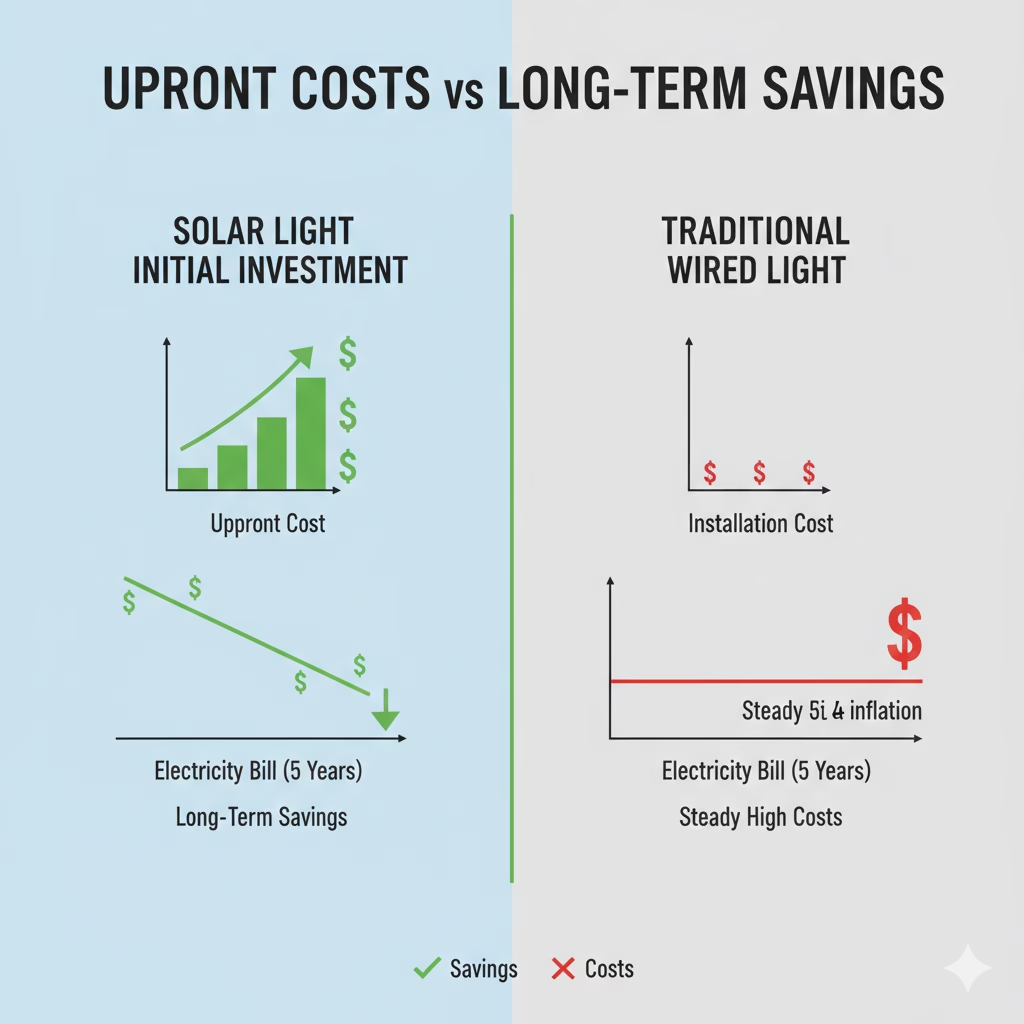
In contrast, a comparable wired fixture might cost less to buy but will add to your electric bill (and possibly to labor costs for wiring). In fact, one solar light analysis found a $100 solar light (with no installation cost) can beat a cheap wired light that costs hundreds to install.
Overall, solar indoor lights can be cost-effective if used long-term, particularly in places where running power is expensive or inconvenient.
Benefits of Solar Indoor Lighting
Solar indoor lights offer several attractive advantages.
- Energy Savings: They run on free sunlight, so they cut or eliminate the electricity used for lighting. This can significantly reduce home lighting costs and energy bills.
- Environmental Impact: By using renewable solar energy and LEDs, these lights drop carbon emissions and pollution. Solar lights “reduce your carbon footprint” and help combat climate change compared to grid-powered bulbs. Many are also made of recyclable materials and emit no toxic gases, making them eco-friendly.
- Easy Installation: Most solar lights are wireless and plug-and-play. There’s no need for electrical wiring or an electrician. You simply mount the panel in the sun and place the light unit where needed. This simplicity means you can quickly add lights in a shed, cabin, or patio without construction.
- Versatility and Portability: They can be moved and repositioned easily. For example, solar desk lamps “are completely flexible and remote accessories that you can bring everywhere with you”. If you redecorate or reorganize a room, you can relocate the lights.
- Low Maintenance: Aside from an occasional panel cleaning, solar LED lights require little upkeep. There are no wires to corrode or bulbs to swap frequently.
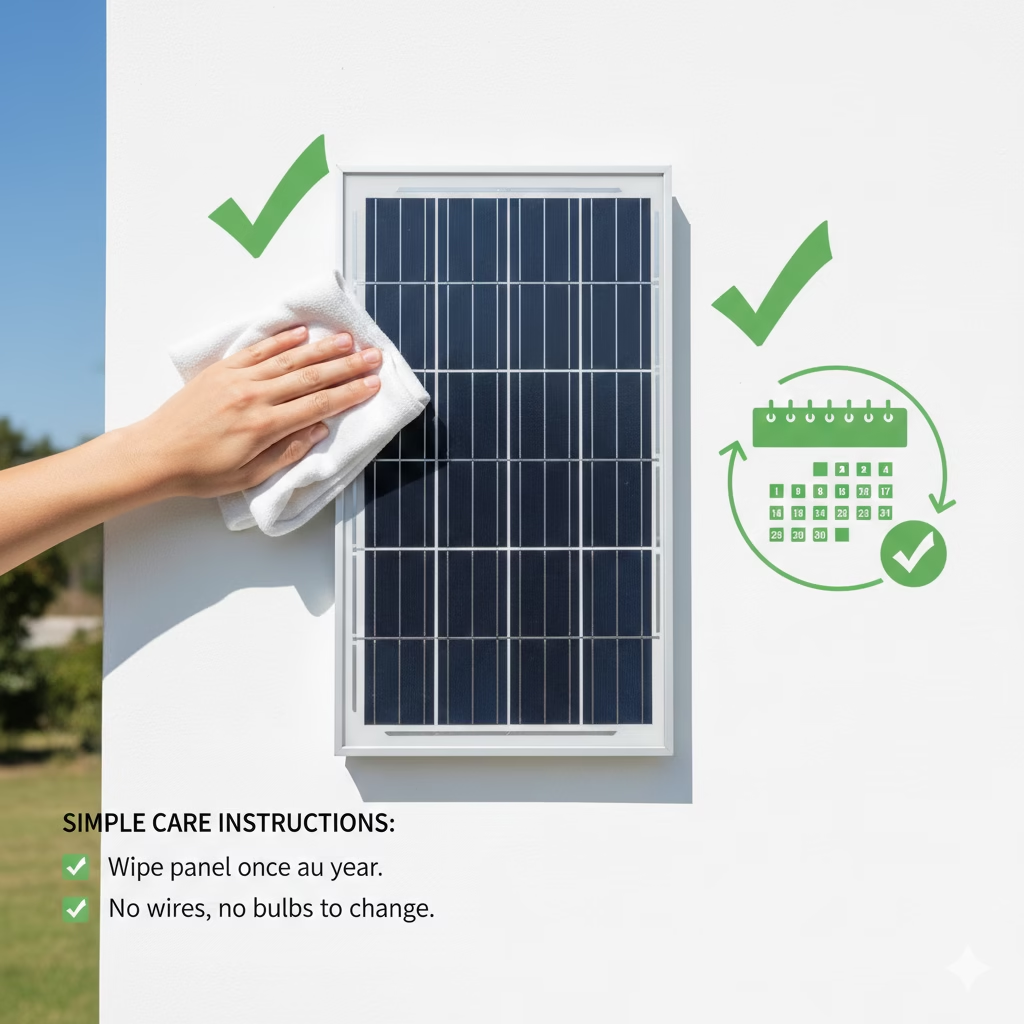
Overall, solar indoor lights combine convenience and green credentials, making them appealing for DIYers, renters, campers, and anyone focused on sustainability.
Limitations of Solar Indoor Lighting
Solar lights also have notable drawbacks.
1. Limited Brightness: Small solar-powered lights often emit much less light than mains fixtures. Entry-level models may put out only 5–50 lumens – enough for a nightlight, but far below the ~300 lumens needed for useful indoor illumination.
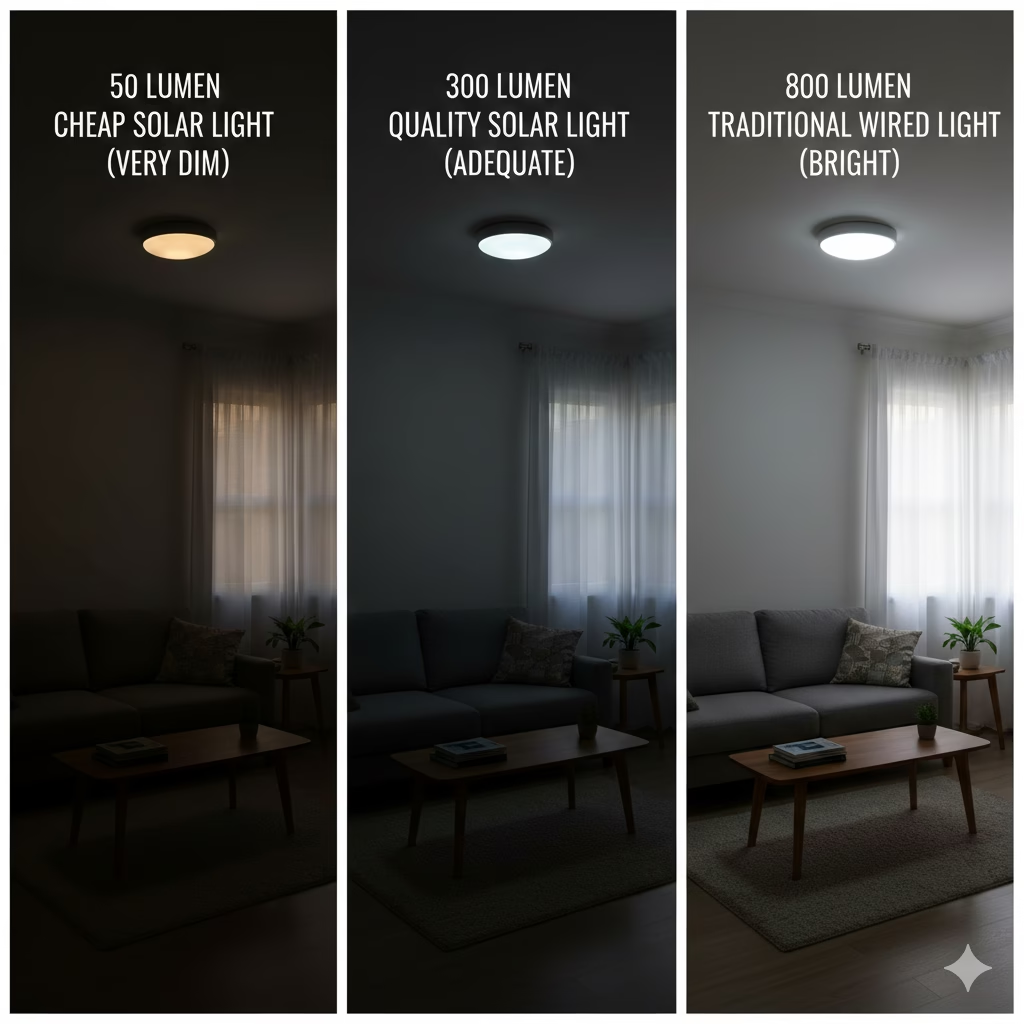
In practice, many cheap solar lights can barely light up a small area. Even mid-range indoor units might be dimmer than a standard LED bulb. This means they are often better as supplemental or accent lights, not full-room lighting.
2. Battery Life and Runtime: Solar lights run on internal batteries (usually NiMH or Li-ion). These batteries have limited capacity. On a full charge they might light for 3–10 hours, depending on brightness. If the panel didn’t get full sun that day (e.g. in winter or cloudy weather), runtime shrinks.
Users report that solar lamps can go dark after only a few hours if undercharged. Over months of use, batteries also degrade. Cheap NiCd batteries develop “memory” and fail in cold, whereas high-quality Li-ion or LiFePO₄ batteries last much longer. But even good batteries will need replacement after a few years, adding cost.
3. Sunlight Dependency: Solar lights must harvest sunlight to charge. In gloomy climates or shaded locations, performance drops off. Extended cloudy or short-winter days can leave batteries undercharged, making lights dim or not last the night. In short, they work best where panels can get direct sun for 5+ hours daily.
4. Upfront Cost and Quality: High-quality solar lights (big panels, large batteries, robust housings) cost more upfront than ordinary lamps. Going too cheap often leads to disappointment. As one expert warns, “cheap solar lights … provide very subtle illumination” and last only 1–3 years due to flimsy construction.
In summary, the brightness and reliability of a solar indoor light depend heavily on its components. Don’t expect a $20 solar lamp to match a $50 corded lamp in brightness or longevity.
Ideal Use Cases of Indoor Solar Lights
Solar indoor lights are especially worthwhile in specific scenarios.
- Off-Grid Cabins, Sheds, and Barns: These structures often lack nearby wiring. A solar kit (panel + lights) can illuminate the interior without running power lines. For example, solar “shed lights” let you safely move around in a dim outbuilding at night, and they avoid adding to your utility bills. Easy mounting kits and lack of cabling make them DIY-friendly for workshops or tiny cabins.
- Emergency Preparedness: During blackouts (storms, outages), solar lights with battery backup can automatically switch on, lighting exits and key rooms. They provide grid-independence in emergencies. Many systems even use smart controls to turn on instantly when the grid fails. This keeps hallways and stairways lit when standard lights are out, improving safety.
- Energy-Conscious Homes and Rentals: Renters or eco-minded homeowners may add a few solar lights to reduce their electricity use. For instance, placing solar-powered motion lights in a hallway or solar bulbs in a garden window can trim the electric meter. They’re also ideal in rooms that get enough daytime sun but see limited use at night (like basements or mudrooms).
- Recreational and Portable Needs: Campers, RV owners, or backyard party hosts can use solar lamps outdoors or in temporary setups. A solar desk lamp can light a picnic table after sunset without extension cords.
- Supplemental Lighting: Even if you have mains power, solar lights can serve as ambiance or nightlights without extra wiring. For example, stringing small solar LED lights in a closet or adding a solar-powered spotlight in a greenhouse can provide gentle light cheaply.
Overall, solar indoor lights shine in off-grid, emergency, or flexible settings where running power is difficult or costly. Solar-powered ceiling/pendant fixtures can light entire rooms without wiring, making them useful in cabins or garages.
What to Look for When Buying solar indoor lights
If you decide to invest, pay close attention to specifications and build quality.
- Panel Efficiency and Size: Higher-efficiency panels (monocrystalline) generate more power in the same space. A bigger panel (10–20+ watts) will charge the battery faster and more fully than a tiny one.
- Battery Type and Capacity: Look for lithium-ion/LiFePO₄ batteries, which last longer and handle cold better than older NiCd types. Check the mAh (or Ah) rating – larger (e.g. 6000+ mAh) batteries will run the light longer.
- Light Output (Lumens): Compare the lumens rating. For indoor task lighting you’ll want at least a few hundred lumens (the Intelamp guide suggests ~300 lm for functional lighting). Beware models that quote only “LED bead count” or watts – ask for actual lumen output.
- Features: Decide if you need motion sensors, dimming modes, or remote controls. These can extend battery life and add convenience. Some indoor models allow USB charging as a backup when the sun is insufficient.
- Build Quality: Check the IP or weather rating (for damp rooms or if the panel is outdoors). Waterproof or durable housings mean fewer repairs. Reputable sellers will specify IP ratings; avoid lights with no rating.
- Cost-Performance: Evaluate lumens per dollar. A slightly pricier light that is 10× brighter (and well-built) can be a better value than a cheap dim one.
- Warranty and Reviews: As Intelamp advises, “Look for specs like battery capacity, lumen output, IP rating, and warranty length – these separate the toys from the tools”. In other words, choose products with solid warranties (2+ years) and positive user feedback. High-performance models typically advertise their battery size and weather resistance; these specs indicate you’re getting more than a gimmicky gadget.
By weighing these factors and comparing solar options against conventional LEDs you can determine if solar-powered indoor lights make sense for your situation. In the right context (sunny location, off-grid need, or emergency backup), they can be worth the investment.
But be realistic: a tiny $10 solar lamp cannot truly replace your living-room ceiling light. Investing in a quality system (good panel, big battery, efficient LEDs) offers the best chance of reliable, long-term value.