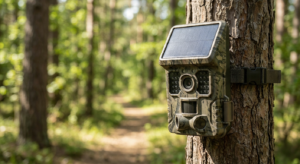
Solar security cameras offer reliable protection without monthly power bills. Here’s a simple breakdown of what they do, what they cost, installation tips, and how long it takes to get your money back.
By chossing the Right solar security camera you can save your money, the camera will work at night without using electricity.
1. Solar Security Cameras
Solar security cameras are outdoor surveillance cameras powered by sunlight instead of traditional electrical wiring. These systems use a solar panel to collect energy during the day, store it in a rechargeable battery, and run the camera day and night without drawing power from your home’s electrical grid. They combine modern security features with renewable energy, making them a flexible and cost-effective alternative to wired or battery-only cameras.
In recent years, solar security cameras have grown in popularity as people look for ways to secure homes, businesses, and remote properties without the challenges that come with running power to every camera location. Whether you’re protecting a driveway, monitoring livestock on a farm, or securing a construction site, solar-powered cameras give you robust surveillance without the constraints of wiring.
With advances in battery technology and wireless connectivity, many solar cameras now offer the same smart features you expect from traditional systems, including high-resolution video, motion alerts, and remote viewing from your phone or tablet.
2. Benefits of Solar Security Cameras
- Zero or Very Low Ongoing Energy Costs:One of the biggest advantages of solar security cameras is that they don’t rely on grid electricity. Once installed, they draw power from sunlight, eliminating the ongoing cost of running electricity to each camera. Over time this can save hundreds of dollars per camera in energy expenses, with some analyses showing traditional cameras can cost around $475 per year in electricity. When you switch to solar, that cost goes to zero.
- Lower Maintenance and Operational Costs: Solar cameras have fewer components that require regular attention. Without long electrical cables or a dependence on the grid, there’s less that can go wrong. Solar panels and rechargeable batteries typically need only occasional cleaning or checks, and modern battery packs can last several years before needing replacement. This reduces operational overhead and keeps long-term costs down.
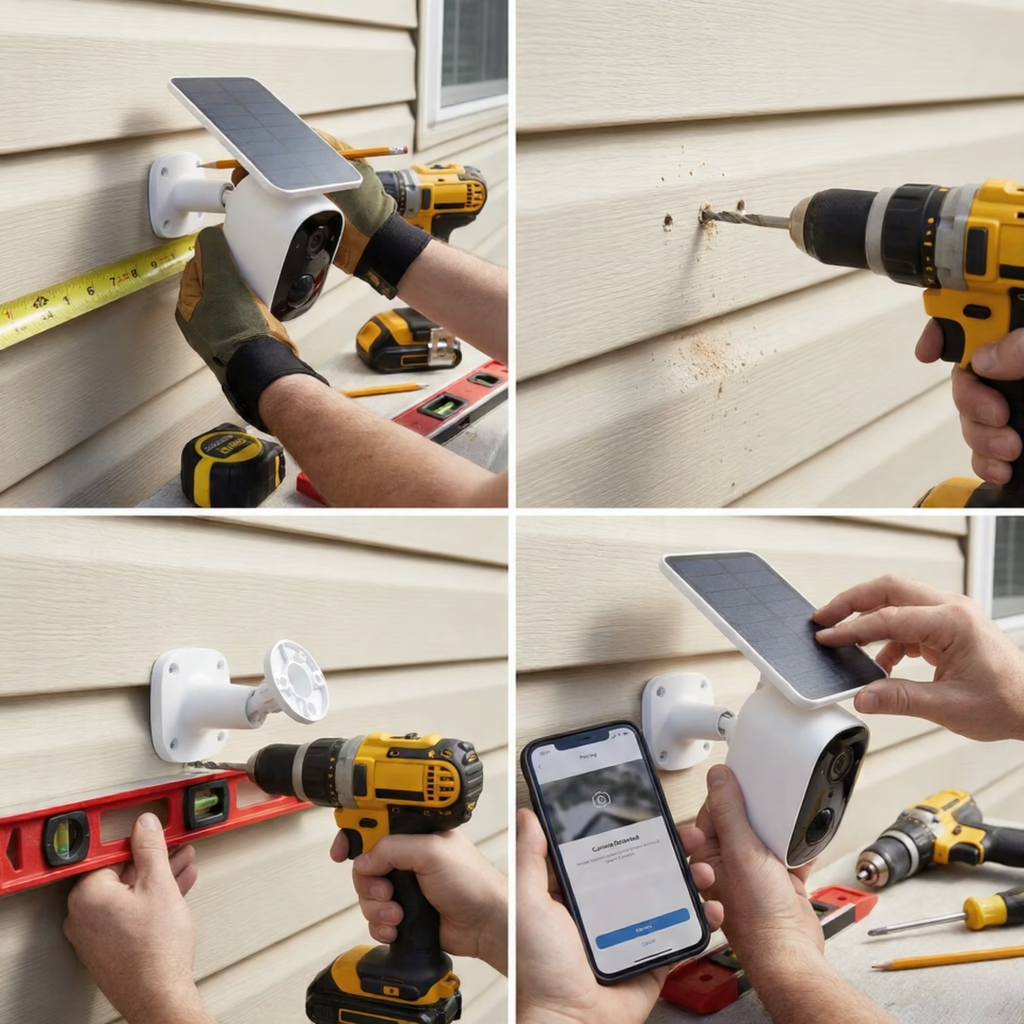
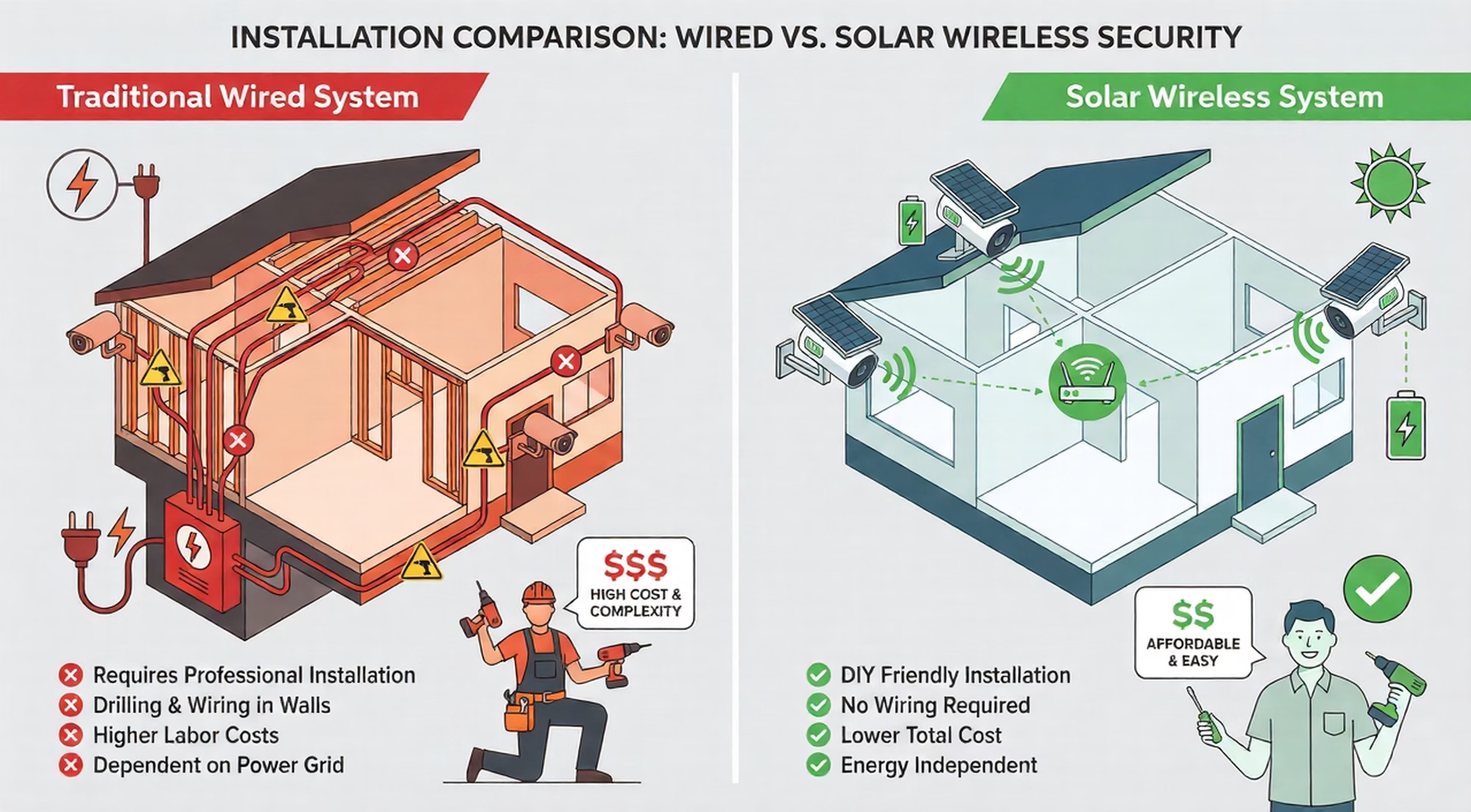
- Easy, Flexible Installation: Installing a solar security camera is straightforward because there’s no need to run power lines or hire an electrician. Most cameras come with mounting brackets and hardware designed for DIY setup, and many can be up and running in under an hour. This freedom allows you to place cameras where they’re most effective, whether that’s on a wall, on a pole, or in a far-reaching corner of your property.
- Works During Power Outages: Solar cameras typically include a battery backup that stores energy collected during the day. This means they continue to operate when the grid fails, providing uninterrupted surveillance even during storms or power cuts. Continuous operation like this is a key benefit of self-powered systems and helps avoid security gaps that can happen with grid-dependent cameras.
- Eco-Friendly Operation: Using renewable energy from the sun significantly reduces reliance on fossil fuels and cuts carbon emissions. For environmentally conscious homeowners, solar security cameras offer a way to improve property protection while lowering your environmental footprint. With no monthly energy demand and minimal electrical infrastructure, these systems support sustainable living.
- Remote and Off-Grid Readiness: Solar security cameras are ideal for locations where electrical outlets are scarce or unavailable. That includes remote cabins, agricultural fields, construction sites, or large rural properties where running power lines could be expensive or impractical. These cameras bring surveillance to places traditional systems can’t easily reach.
3. Key Features to Look For
Solar security cameras used to be fairly basic. Today they come packed with the same smart features you’d expect from a wired system, plus the advantage of running on sunlight.
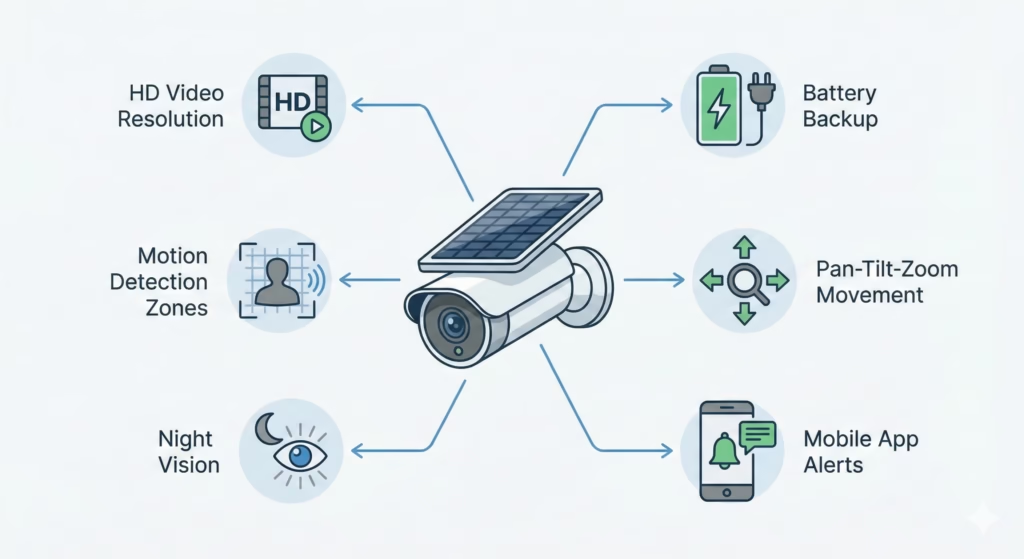
Here are the main features worth knowing before you buy.
- High-Definition Video:A clear picture makes all the difference when you’re trying to identify a person, license plate, or package on your doorstep. Most modern solar models record in 1080p, and many offer 2K or even 4K video. Higher resolution means better detail at a distance and sharper zooming without the blurry edges older cameras were known for.
- Motion Detection and Smart Alerts: Solar cameras are designed to wake up and record only when there’s something worth capturing. Built-in motion sensors trigger recording and send a notification to your phone. Some let you set motion zones so the camera only alerts you when activity happens in key spots like a driveway or back gate. That reduces false alarms from wind, pets, or passing cars.
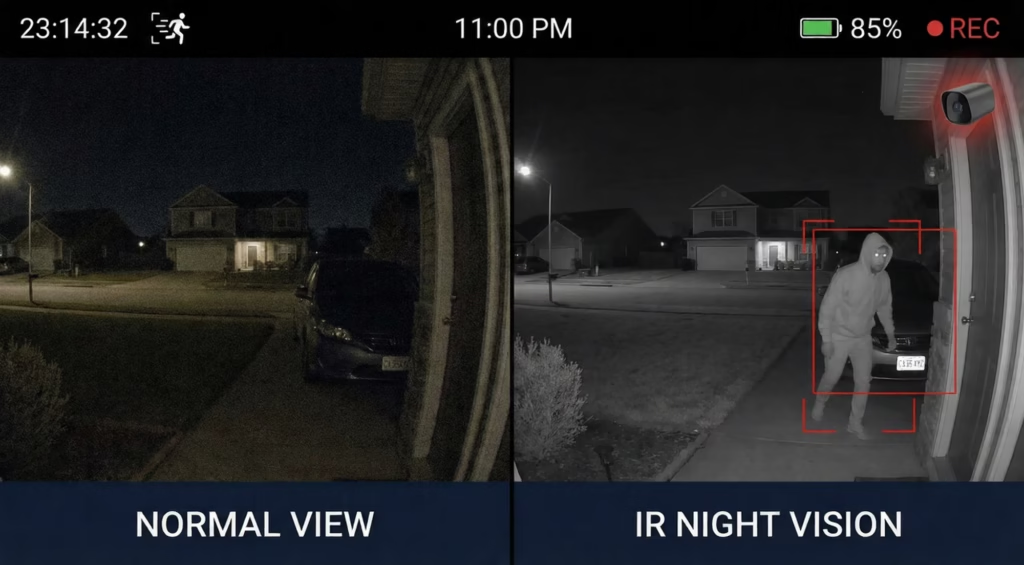
- Night Vision: Security threats don’t take time off when the sun goes down, so night vision is a must. Most solar cameras use infrared LEDs to light up the area invisibly, producing clear black-and-white video after dark. Newer or premium units add color night vision when there is enough ambient light, which gives you more context and makes footage easier to review.
- Battery Backup and Power Storage:Even though the camera runs on solar, it lives off battery power when the sun isn’t out. Most rechargeable batteries provide steady coverage through the night, and many systems can operate for days during cloudy weather. That storage is what makes solar cameras reliable instead of sunlight-dependent.Storage also matters for your recordings. Some models save video to a micro-SD card inside the camera, which avoids monthly fees. Others offer optional cloud storage if you want off-site backup.
- Pan-Tilt-Zoom and Intelligent Tracking:Fixed-angle cameras work fine for watching a single spot, but if you want broader coverage, look for a PTZ model. These can rotate horizontally, tilt vertically, and zoom digitally so one camera can watch multiple angles. Some cameras take it a step further with automatic tracking that locks onto a moving person or vehicle and follows them while recording.
- App Integration and Remote Monitoring: Almost all solar security cameras are wireless. You connect them to a Wi-Fi network or, in some cases, to a 4G LTE data connection, then control everything from a mobile app. From the app you can:
- Watch live video
- Review recorded clips
- Adjust motion zones or camera sensitivity
- Receive instant alerts wherever you are
This makes it easy to monitor your home even when you’re miles away.
4. Costs of Solar Security Cameras
Solar security systems used to be seen as expensive, but prices have come down and the long-term savings can be significant. When looking at cost, it helps to break things into three parts: the price of the camera itself, installation, and long-term ownership.
4.1. Camera Prices
Solar security cameras come in several price tiers based on video quality, features and battery size.
- Entry-level cameras usually cost around $79 to $129. These are best for basic monitoring with standard motion detection and 1080p resolution.
- Mid-range models cost about $149 to $249 and typically include 2K or 4K recording, better batteries, smarter alerts and improved night vision.
- Premium cameras, including PTZ or long-range models, often start at $200 and can go up to $350+. These are great for covering wide or open areas.
For most homeowners a mid-range unit strikes the best balance between price and performance.
4.2. System Costs
If you’re securing a larger space and need multiple cameras, the total cost matters more than the price of any one camera.
- A four-camera solar setup typically falls between $800 and $1,400 depending on brand and features. The price often includes the solar panels, mounting brackets and basic equipment.
That may still sound like a lot, but it makes sense when you compare it with what wired systems cost.
4.3. Installation Savings Compared to Wired Systems
This is where solar really stands out. Wired security systems require:
- Electrical cables
- Professional labor
- Sometimes trenching or drilling
A traditional four-camera wired system can run close to $4,000 once labor and cabling are factored in.
A similar solar wireless system averages about $1,158 for four cameras. And if you install it yourself, the labor cost drops even further. Many homeowners pay $0 to $40 per camera for DIY tools or brackets.That alone can save hundreds to thousands of dollars on day one.
4.4. Energy Cost Savings Over Time
After installation, solar cameras keep saving money. A typical wired camera might cost around $475 per year in electricity depending on usage and local rates. Because solar cameras run off sunlight with battery storage, that ongoing energy expense disappears completely.
With no monthly power bill, solar models become cheaper the longer they stay on your property.
4.5. Return on Investment
Thanks to lower installation bills and zero power consumption, many users break even in two to three years. After that, the system is essentially working for free apart from occasional cleaning or a future battery replacement.When you combine operating savings, long service life and fewer parts that can fail, solar cameras often end up being the more affordable option over the long run.
5. Limitations and Things to Consider
Solar security cameras solve a lot of problems, but they aren’t perfect for every situation. Knowing the limitations up front helps you get the best results.
5.1. Sunlight Matters
These cameras rely on daily sunlight. If the panel is mounted in a heavily shaded spot or if you live in a region with long stretches of cloudy weather, the battery may drain faster than it charges. Some owners in low-sun climates pair solar with a backup power source or choose larger batteries to stay covered.
5.2. Weather and Placement
Heavy storms, snow buildup, or dust can reduce charging efficiency. That’s why cleaning the panel a few times a year makes a noticeable difference, especially in dusty or coastal environments.Harsh winter temperatures can also affect battery performance temporarily. The camera will still work, but battery life may dip on very cold nights until sunlight restores the charge.
5.3. Storage Choices
Some solar cameras use local micro-SD cards. It’s a one-time purchase, but storage fills up and older clips overwrite automatically.Other brands push cloud storage, which often requires subscription fees. This adds cost but gives peace of mind if the camera is stolen or damaged because footage is saved off-site.
5.4. Range and Connectivity
Most solar cameras connect over Wi-Fi. If your router doesn’t reach your yard, barn, or driveway, you may need a mesh extender or a model that supports 4G LTE. Bandwidth also matters. High-resolution cameras recording in 2K or 4K use more data when streaming live or storing clips.
5.5. Upfront Price
While prices are lower than they used to be, some solar cameras still cost more initially than wired models. The flip side is that installation and power bills cost far less afterward, so the total usually comes out ahead.
6. Best Use Cases
Solar security cameras shine in places where traditional systems struggle. Here are the most common scenarios where they perform best.
- Homes and Driveways: Most homeowners start with a front porch or driveway. Solar models cover entry points without drilling into walls or running cables along gutters. They’re especially helpful in homes where outlets are limited outside.
- Remote or Off-Grid Properties: If you own a farm, cabin, vacant lot, or rural home, solar is often the only practical choice. Solar panels power the camera year-round, and wireless connectivity lets you monitor remotely without stepping foot on site.
- Construction and Work Sites:Projects move, walls go up, and power availability changes. A solar camera can be mounted on a pole and relocated as the jobsite evolves. That helps track equipment, supplies, and activity without laying permanent wiring.
- Businesses With Large Outdoor Areas Parking lots, warehouses, gates, and storage yards are perfect candidates. Solar cameras cover wide open spaces factories struggle to wire cheaply.
- Temporary or Seasonal Locations Think campgrounds, RV parking, festival sites, or vacation homes.
Install the cameras when they’re needed, pack them away when the season ends, and skip the long-term electrical work altogether.
7. Final Tips Before You Buy
With so many solar security cameras now on the market, making the right choice starts with matching your needs to the features that matter most.
7.1. Know Your Coverage Area
A small porch needs less range than a wide field or driveway. PTZ or higher-resolution cameras are worth it for large or open spaces, while static 1080p cameras work well for close monitoring.
7.2. Check Battery Capacity
Bigger batteries help the system stay alive through long nights, winter months, or stretches of cloudy weather. If you live somewhere that sees snow or heavy overcast, a camera with more storage or dual-panel support is a smart upgrade.
7.3. Consider Connectivity
Wi-Fi cameras are great for homes and businesses. If you’re monitoring a farm or construction area beyond Wi-Fi range, look for 4G LTE models so your camera stays connected.
7.3 Think About Storage
If you want a one-time setup with no recurring bills, choose a camera with a micro-SD slot and good compression. If you’d rather keep recordings off-site, go with a system that offers cloud backups.
7.4. Stick to Trusted Brands
Reliable companies tend to offer:
- Better app support
- Longer warranties
- More honest battery ratings
A slightly higher upfront cost can save frustration later.
8. Conclusion
Solar security cameras have changed the way people protect their homes, businesses, and remote properties. By combining renewable energy with modern features like HD video, motion alerts, night vision, and app control, they deliver robust surveillance without the hassle of wiring or the burden of rising electricity costs.
With no ongoing power bill, fewer installation expenses, and the ability to run through outages, solar models often pay for themselves in as little as two to three years. They’re especially valuable in areas where access to power is limited, temporary, or expensive to install.
Whether you’re securing a neighborhood driveway, monitoring livestock in a pasture, keeping watch on a construction project, or just looking for dependable outdoor protection, solar security cameras offer a safe, flexible, and cost-effective way to stay in control of your space.