Looking to upgrade your home with solar-powered gadgets? This complete guide explains how solar home devices work, the types available, key features to consider, and top brands like Renogy, Jackery, and EcoFlow to help you make the right choice.
Blog Summary
This guide explains how solar gadgets work, their benefits, key features to consider (like panel efficiency and battery storage), and the difference between on-grid and off-grid systems. It also highlights trusted brands such as Renogy, Jackery, EcoFlow, and Bluetti, known for reliable solar-powered products.
Whether someone wants to light up a backyard, charge devices on the go, or prepare for emergencies, solar-powered gadgets offer practical solutions. Investing in them isn’t just eco-friendly—it’s a smart step toward energy independence and long-term savings.
Switching to solar energy is now becoming a smart choice for many homeowners. With energy costs rising and environmental concerns growing, solar-powered home devices are now becoming part of our houses. Whether it’s a simple solar light for the backyard or a full solar power kit to run essential appliances, the options today are wider and more affordable than ever.
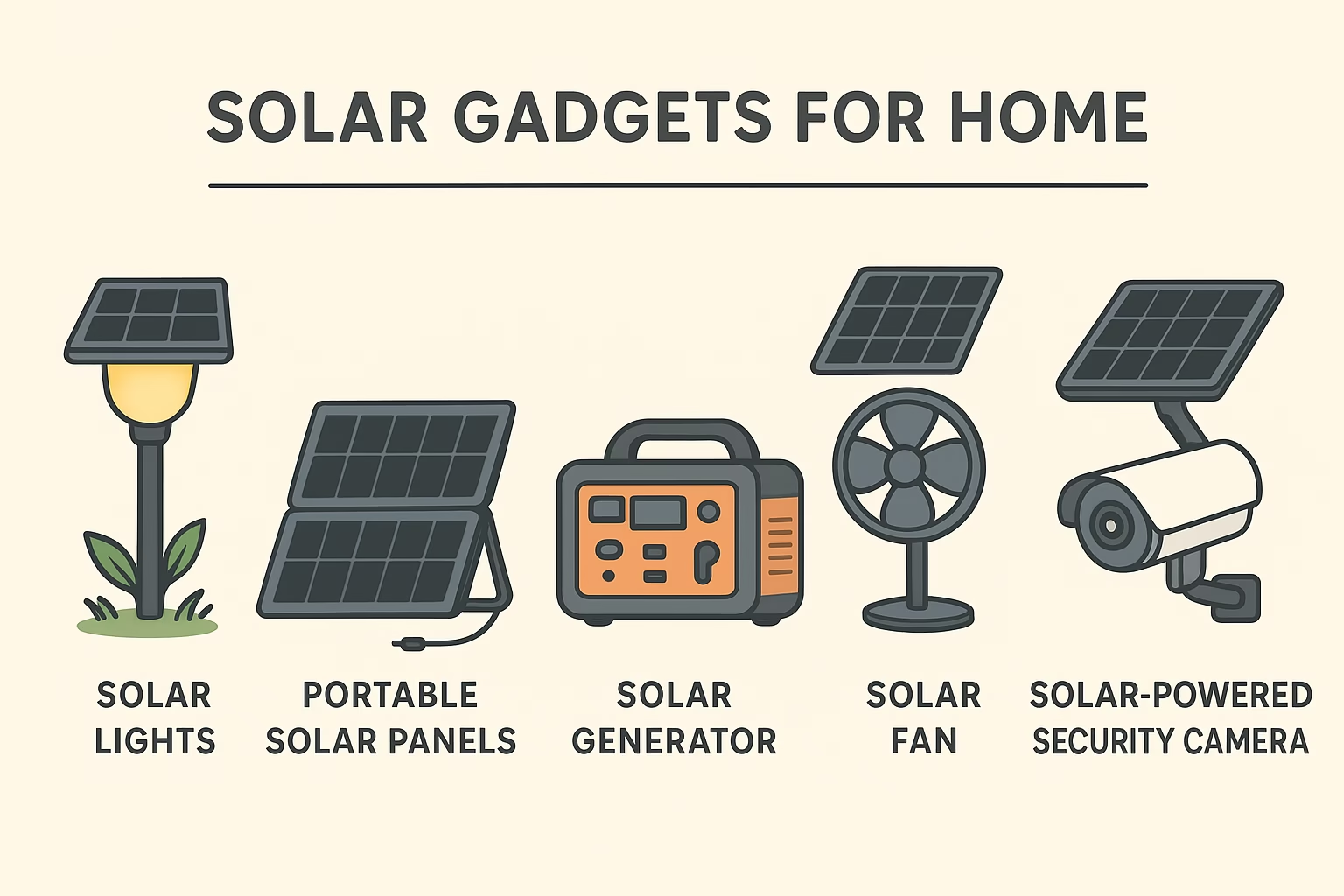
Solar home gadgets are designed to make everyday living easier while saving energy. They work by using photovoltaic technology to convert sunlight into power, stored in batteries, and then used to run devices like lights, chargers, fans, or even security cameras.
1. Why Solar Gadgets Are Essential for Modern Homes
1. Eco-Friendly and Cost-Effective: Solar gadgets use renewable energy, which means less dependence on traditional electricity. Homeowners not only cut monthly bills but also make a positive impact on the environment.
2. Energy Independence: Having portable solar panels or a small solar generator at home can be a lifesaver during power cuts or outdoor trips. Products like EcoFlow and Bluetti offer efficient energy storage for emergencies.
3. Smart and Convenient: Today’s solar home gadgets are not just about saving power. Many come with smart features such as home automation, weather resistance, and even app-based monitoring, making them a practical choice for modern living.
These benefits explain why more people are investing in solar lighting systems, portable chargers, and even solar water pumps to make their homes energy-efficient and future-ready.
2. Understanding Solar Technology for Homes
How Solar Gadgets Work
Every solar-powered home device has photovoltaic technology. This technology uses solar panels to turn sunlight into electricity. Panels are made of either mono-crystalline or poly-crystalline cells, and they send the power to a storage system like lithium-ion batteries or an energy storage system.
Most solar gadgets also include an MPPT charge controller and an inverter to make the power usable for devices. Whether it’s running solar lights, charging a phone, or powering a solar water pump, the process stays the same: capture sunlight, store energy, and use it when needed.
Key Components of Solar Home Gadgets
To choose the right solar gadget, homeowners should know the main parts:
Solar panels: These capture energy. Higher panel efficiency means better performance.
Battery storage capacity: Lithium-ion batteries are common because they hold more power in less space.
Inverter compatibility: Converts DC to AC so appliances can use the energy.
Controllers: MPPT technology ensures your panels work at the highest efficiency.
Why These Features Matter
The type of solar panel, battery size, and controller affect how well your gadget works. For example, portable solar panels paired with a reliable inverter make a great backup solution during power cuts. Adding battery storage capacity can also improve return on investment (ROI) since it reduces waste and ensures energy is available anytime.
3. Types of Solar Gadgets for Home Use
Solar Lighting Solutions
One of the easiest ways to start with solar is through solar lighting systems. These include garden lamps, outdoor security lights, and even indoor emergency lights. Brands like Renogy and Goal Zero make durable and weather-resistant lights that run entirely on solar energy. Having solar-powered lights not only saves electricity but also works during power cuts, making them a must-have for every home.
Power and Charging Devices
Portable energy solutions are growing fast. Solar chargers, solar generators, and portable solar panels are perfect for small electronics, laptops, or even appliances. Companies like Jackery, EcoFlow, and Bluetti have created reliable devices that combine battery storage capacity with high panel efficiency. These products give homeowners energy independence and are great for travel, camping, or as a backup during outages.
Solar-Powered Appliances
For those who want to go further, solar-powered appliances are becoming common. This includes solar fans, water pumps, cookers, and even smart home solar gadgets like automated sprinklers or pool cleaners. They reduce energy bills and help make homes more sustainable. Using solar-powered appliances is especially helpful in areas where grid electricity is expensive or unreliable.
Safety and Automation Gadgets
Home safety is another area where solar shines. Solar-powered security cameras, alarms, and motion detectors run without extra wiring. Some brands offer smart systems that work with home automation apps, adding convenience and energy savings at the same time. With features like weather resistance and strong battery storage capacity, these devices stay active day and night.
4. Key Features to Consider Before Buying Solar Gadgets
Panel Efficiency and Power Output
The performance of any solar-powered home device starts with its solar panel efficiency. Higher efficiency panels generate more power even in limited sunlight. Whether you’re buying portable solar panels or a small solar power kit, check the wattage and output to ensure it meets your needs.
Battery Storage Capacity and Backup Power
A good energy storage system is essential for keeping devices running after sunset. Look for lithium-ion batteries or similar options with enough battery storage capacity. Products from EcoFlow, Jackery, and Bluetti often combine efficient panels with powerful batteries, giving homeowners reliable backup power solutions during outages.
Weather Resistance and Durability
Solar gadgets are often used outdoors, so durability matters. Check ratings like IP65 or IP67 for weather-resistant solar products. These ensure your solar lighting systems or solar security cameras can handle rain, dust, and heat without failing.
Safety and Certification
Not all devices are made equal. Always look for trusted certifications such as UL certification or Energy Star ratings. These confirm the product meets safety and efficiency standards. For example, a solar generator with the right certifications ensures better performance and longer life.
Return on Investment (ROI)
Solar gadgets are an investment. Consider the cost vs savings over time. A higher-quality product may cost more initially but will save money in electricity bills and maintenance. Devices with strong battery storage capacity and high panel efficiency usually offer better ROI because they last longer and perform better.
5. Off-Grid vs On-Grid Systems
What’s the Difference?
When looking at solar home gadgets, it’s important to understand whether you want an off-grid system or an on-grid system.
Off-grid systems work independently of the main power supply. They use solar panels, an MPPT charge controller, and battery storage capacity to keep energy available anytime. This is ideal for remote areas, outdoor cabins, or homes that face frequent power cuts.
On-grid systems connect to your local electricity network. They often use net metering, where excess solar power goes back to the grid, reducing your electricity bill. These setups typically cost less since they may require smaller batteries or none at all.
Which One Should You Choose?
For homeowners wanting complete energy independence, an off-grid setup is the best choice. It gives full control and keeps essential devices like solar-powered lights, security cameras, or solar generators running even during outages.
For those living in cities or areas with a reliable grid, an on-grid system is often more affordable and practical. It allows homeowners to save money by sending extra energy back to the grid through net metering, lowering monthly costs while still using solar technology.
Hybrid Solutions
Many brands, including Renogy and EcoFlow, now offer hybrid solutions. These combine off-grid battery storage with on-grid backup for the best of both worlds. They’re great for those who want savings and security together.
6. Top Brands and Products to Explore
Renogy
Renogy is a well-known name in the world of solar-powered home devices. They make everything from portable solar panels and solar generators to full solar power kits. Renogy products are known for durability and good battery storage capacity, making them a solid choice for both beginners and advanced users.
Jackery
Jackery focuses on portable solar solutions, perfect for backup power or travel. Their solar chargers and solar generators are popular because they combine high solar panel efficiency with reliable lithium-ion batteries. Homeowners looking for an easy, plug-and-play option often choose Jackery for its simplicity and strong performance.
Goal Zero
Goal Zero is another trusted brand, offering solar lighting systems, portable solar panels, and solar power kits for home and outdoor use. They are known for weather-resistant products with good battery storage capacity, making them suitable for both urban and remote settings.
EcoFlow and Bluetti
EcoFlow and Bluetti are leaders in energy storage systems. They make solar generators, power stations, and smart solar gadgets that work well for home backup or off-grid living. Their products are efficient, compact, and packed with modern features like app monitoring.
Anker and Tesla Powerwall
Anker makes smaller solar-powered gadgets like chargers and lights, great for daily use. For bigger needs, Tesla Powerwall stands out with advanced energy storage systems and smart integration for home energy management. It’s perfect for homeowners who want long-term ROI and maximum reliability.
7. DIY and Portable Solar Gadgets
Setting Up DIY Solar Gadgets at Home
For homeowners who enjoy hands-on projects, DIY solar gadgets are a great way to learn about renewable energy while saving money. Simple options include solar lighting systems, small solar panels for charging devices, or even building a basic solar water pump for gardens. A DIY setup helps understand how photovoltaic technology, battery storage capacity, and MPPT charge controllers work together.
Portable Solar Kits for Everyday Use
Portable solar panels and solar generators are perfect for people on the move. Brands like Jackery, Goal Zero, and EcoFlow make lightweight kits that power phones, laptops, or even small appliances. Many of these devices come with lithium-ion batteries and strong battery storage capacity, so you can use them during outdoor trips or emergencies.
Safety Tips for DIY Solar Gadgets
Always check inverter compatibility and correct wiring to avoid damage.
Choose panels and batteries with safety ratings such as UL certification.
Weatherproof your setup, especially if using solar-powered home devices outdoors.
DIY and portable options give homeowners flexibility and energy independence without a huge upfront cost. They are also a great way to try solar technology before investing in larger system.
8. Installation and Maintenance Tips
How to Install Solar Gadgets Properly
Correct installation is key to getting the most from solar-powered home devices. Start by placing solar panels where they get maximum sunlight—rooftops, balconies, or open yards are ideal. Always follow the manufacturer’s instructions for connecting the MPPT charge controller, inverter, and battery storage capacity. Even small gadgets like solar lights or security cameras work better when positioned to receive consistent sunlight.
Common Mistakes to Avoid
Poor placement: Shade or incorrect angles can reduce solar panel efficiency.
Ignoring inverter compatibility: Using the wrong inverter can damage the system.
Skipping safety checks: Not using certified parts like UL-certified controllers or Energy Star devices can shorten product life.
9. Regular Maintenance for Long Life
Solar gadgets require very little maintenance but benefit from routine care. Clean solar panels monthly to remove dust or leaves, which can block sunlight. Check battery storage capacity and replace worn-out batteries when needed. For devices like solar generators and solar lighting systems, make sure cables and connectors stay secure and weatherproof, especially for outdoor setups.
By following these simple steps, homeowners can enjoy reliable performance, better ROI, and long-lasting gadgets.
10. Cost, Savings, and ROI
How Much Do Solar Gadgets Cost?
The price of solar-powered home devices depends on size, capacity, and brand. Small items like solar lights or solar chargers can cost as little as $20 to $100. Larger products such as portable solar panels, solar generators, or full solar power kits can range from $200 to over $2,000. Premium systems like Tesla Powerwall or advanced energy storage systems may cost more but offer long-term value.
Long-Term Savings
Investing in solar technology often pays for itself over time. By using free sunlight to power gadgets, homeowners reduce monthly energy bills. Products with strong battery storage capacity and high solar panel efficiency deliver better savings because they maximize energy use and reduce waste. Brands like Renogy, Jackery, and EcoFlow are popular because they balance cost and performance, making them good options for long-term use.
Return on Investment (ROI)
ROI varies by device and usage. A simple solar lighting system can pay for itself in less than a year, while a larger solar generator or energy storage system might take a few years. Factors that improve ROI include:
High-quality solar panels and efficient batteries
Correct installation and maintenance
Use of net metering for on-grid setups
With rising electricity prices, even a modest solar setup can save hundreds of dollars annually. When chosen carefully, solar-powered home devices are not just environmentally friendly—they’re a smart financial decision too.
11. Future of Solar Home Gadgets
Smart Home Integration
The future of solar-powered home devices is moving toward smarter and more connected systems. Many brands are developing smart solar gadgets that work with mobile apps or voice assistants, making energy management easier. Homeowners will soon be able to control solar lighting systems, solar-powered security cameras, and even solar water pumps directly from their phones.
Better Battery Storage and Efficiency
Advancements in battery storage capacity and photovoltaic technology are changing how solar devices perform. New lithium-ion batteries and upcoming storage options are becoming smaller, lighter, and more powerful. This means portable solar panels and solar generators can store more energy in less space. Improved solar panel efficiency will also allow gadgets to work better in cloudy conditions and low-light areas.
Affordable and Accessible Options
As competition grows among brands like Renogy, Jackery, EcoFlow, and Bluetti, prices are expected to become more affordable. Solar chargers, solar lighting systems, and even hybrid on-grid/off-grid systems are becoming easier for the average homeowner to buy and install.
Sustainability and Energy Independence
The shift to renewable energy is pushing solar gadgets to become more sustainable and reliable. Hybrid systems that combine off-grid and on-grid setups, along with net metering, will give homeowners more control over their power use. With more efficient solar panels and smart energy systems, homes can become almost self-sufficient in the future.
12. Final Thoughts
Why Solar Home Gadgets Are Worth It
Solar-powered home devices are no longer just a luxury; they’re becoming a smart investment for everyday living. From simple solar lighting systems to advanced energy storage systems, these gadgets help reduce bills, add convenience, and support a more eco-friendly lifestyle.
Where to Start
For beginners, start small with solar chargers, solar lights, or a portable solar panel to understand how these gadgets work. As confidence grows, expanding to larger systems like solar generators, solar water pumps, or even hybrid on-grid/off-grid setups can make a home more energy-independent.
The Takeaway
The future of solar technology looks promising, with better battery storage capacity, higher solar panel efficiency, and smarter features on the way. Brands like Renogy, Jackery, Goal Zero, EcoFlow, and Bluetti are leading this change. Whether the goal is saving money, staying prepared during outages, or reducing your carbon footprint, solar gadgets for home use are a practical and sustainable solution.