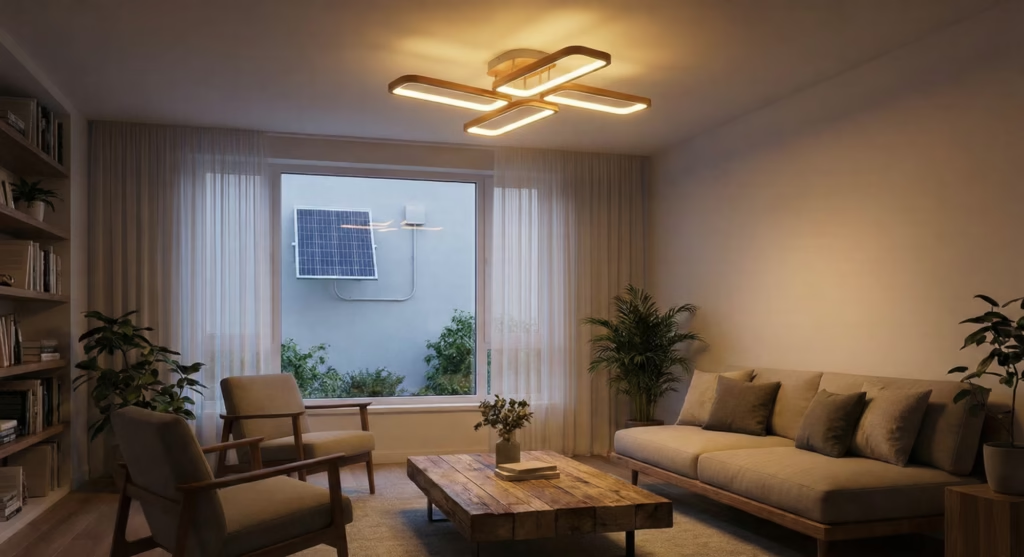
Learn how to choose the perfect solar indoor lights for home with simple buying tips, key features to compare, and mistakes to avoid before you purchase.
Choosing the best solar indoor lights for home use is not just about picking the brightest option on the list. More homeowners are looking at solar lighting as a simple way to cut electricity use and light up spaces that don’t always have wiring. A solar indoor light is especially handy in living rooms, garages, and sheds where running cables or adding outlets can get expensive. The setup is simple. A small solar panel sits outside in the sun and charges a battery that powers the lamp inside. Once installed, the light works every evening without touching your power bill.
1. How Bright Should a Solar Indoor Light Be
Brightness is one of the first things to look at when choosing lighting for a home. Light output is measured in lumens and not everyone realizes how much light a room needs to feel comfortable or useful.
For a living room, the Illuminating Engineering Society recommends roughly 10 to 20 foot candles of light. That works out to about 20 to 40 lumens per square foot of space. In plain terms, a 100 square foot room can need around 2,000 lumens to feel well lit. That may come from a single strong solar indoor light or a couple of smaller fixtures placed around the room. For more detailed guidance on selecting the right fixtures, check out our Solar Indoor Light Handbook.
Garages trend higher. A basic parking and storage area usually needs 20 to 30 lumens per square foot to see clearly and move around safely. A garage with tools, laundry equipment or hobby benches can call for much more, especially over a work surface. Bench tasks may need 50 to 70 lumens per square foot, which often means a bright overhead light backed up by a smaller task lamp.
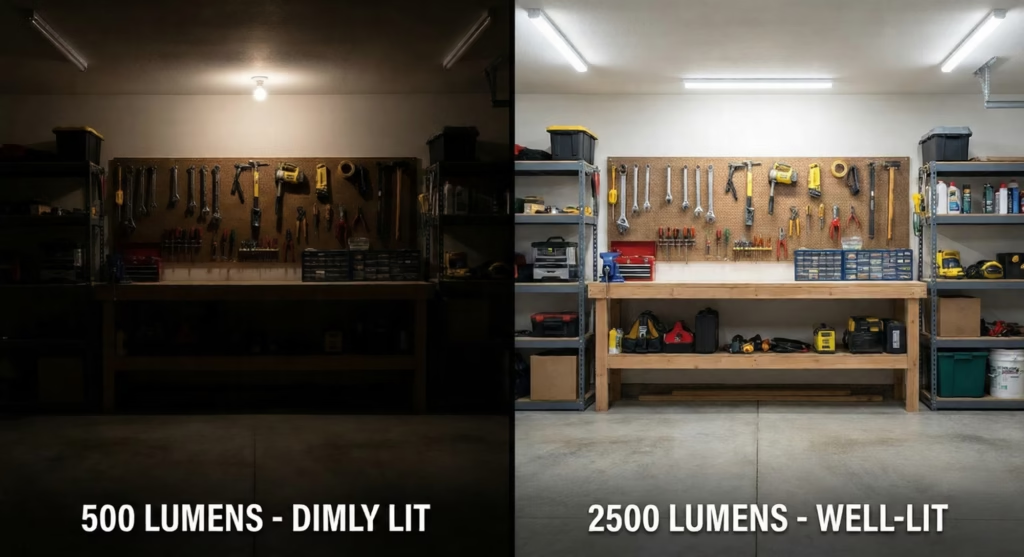
One thing many people overlook is that bright light does not always need to come from a single fixture. Splitting light output across two lamps can spread brightness more evenly and cut shadows in corners or work areas. This is helpful when a garage has shelves or equipment that block light from reaching every wall.
Choosing a fixture with multiple brightness modes can stretch battery life on days when sunlight is short.To make picking the right brightness easier, a quick rule works for most homes.
- Small rooms: one reliable lamp at several hundred lumens
- Average living rooms and single bay garages: 1,500 to 3,000 lumens total from one or more lamps
- Larger two car garages or busy hobby spaces: 3,000 lumens and up.
With those numbers in mind, it becomes clearer whether you need a single compact solar indoor light or a setup with two or more lamps sharing the load.
2. Understanding the Solar Panel Panel Types
You’re Most Likely to See most lightships with one of three panel styles.
Monocrystalline panels are considered the best choice for home use because they convert more sunlight into stored power. Real world efficiency usually falls between 17 and 22 percent.
Polycrystalline panels sit a little lower, around 15 to 17 percent. Thin film panels land at the bottom of the chart at roughly 10 to 12 percent efficiency, but they can be used where space or flexibility matters more than power density.
A homeowner who lives in a cloudy region or gets shorter winter days usually benefits from a monocrystalline panel. Even a two or three percent gain in efficiency can make the difference between a full battery at dusk and a light that fades before midnight.
Sun Exposure and Placement
Panel placement is just as important as panel type. Most homes get only three to five “peak sun hours” a day once clouds, angle and seasons are taken into account. Since many kits need six to eight hours of strong sunlight to fully recharge, location decides how well a solar indoor light will perform.
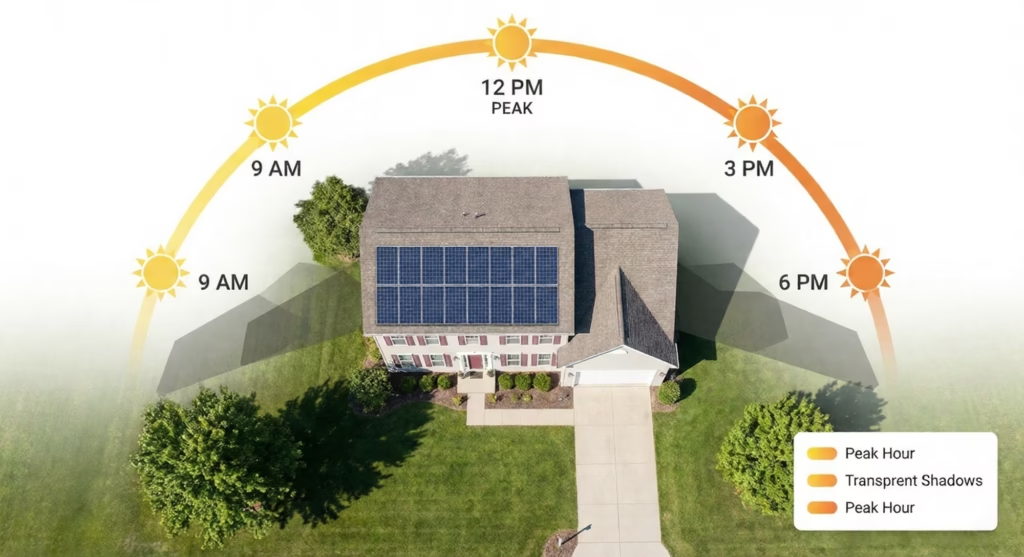
A south facing wall or roof edge works best. Avoid deep shade from trees, fences or porches. Many lights include a 10 to 15 foot cable between the panel and lamp, which makes it easier to tuck the panel into a bright spot while keeping the light indoors.
If your home only gets short bursts of sun, choosing a larger panel or a model with high efficiency cells will help pick up more energy in less time.
3. Battery Size and Runtime
Why Battery Capacity Matters
Every solar powered lamp relies on its battery to carry the load after sunset. Capacity is often listed in milliamp hours or watt hours. Entry level lights sit in the three to six thousand mAh range. Mid tier units jump closer to eight or ten thousand mAh. Some higher output fixtures built for garages or outdoor sheds go even larger. One example on the market uses a 12,500 mAh pack and delivers 12 to 14 hours of high mode run time on a clear day.
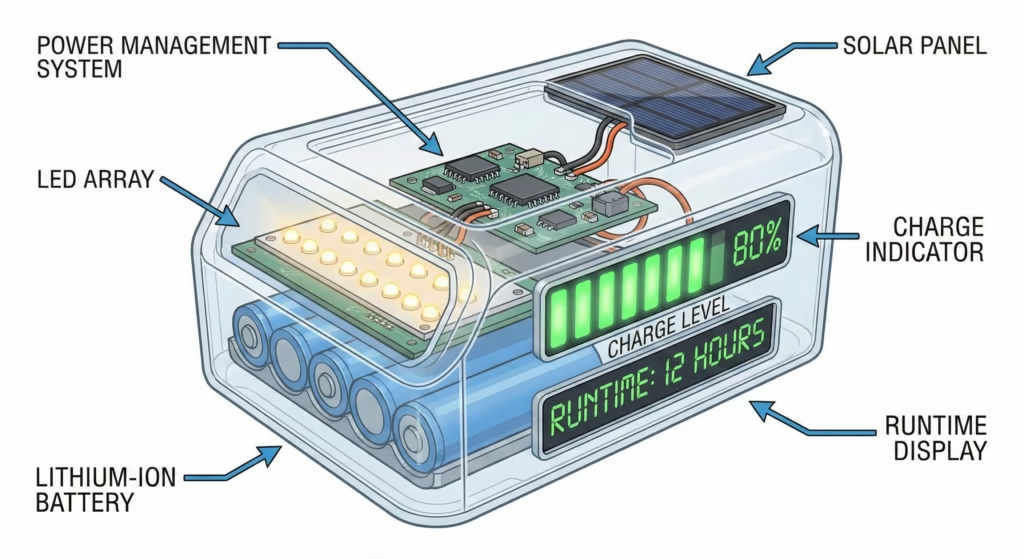
A useful rule is simple. Bigger batteries usually support brighter lights for longer periods, but they also need more sunlight to refill. A small battery can run all night if the lamp is dimmed, while a larger battery gives room to use brighter modes without running out of power.
How Long You Can Expect the Light to Run
Most solar indoor lights promise six to twelve hours on a full charge. This lines up well with average night length, though winter nights in Northern states may stretch longer. To stay lit right through morning, look for a fixture with adjustable brightness. Dropping from full power to a medium setting can extend runtime by several hours.
Battery lifespan also deserves a quick look. Lithium ion batteries in most home solar lights typically hold up for two to five years before capacity fades. Some lights now use lithium iron phosphate (LiFePO4) cells, which can last ten years or more if treated well. Choosing a light with a replaceable battery means you can keep using the fixture even after the original pack wears out.
4. Charging Time and Sunlight Reality in the U.S.
How Long a Full Charge Really Takes
Manufacturers often say their lights need six to eight hours of direct sun to charge fully. That figure assumes clear skies and perfect panel placement. In real life, most U.S. cities average only three to five peak sun-hours once clouds, seasons and shadows are factored in. This means some days will refill the battery completely while others may only top it up halfway.
If you live in a northern state or have lots of trees around your yard, you may notice runtime shrink after a few cloudy days. Choosing a larger panel or a model with efficient monocrystalline cells can help close that gap. Another option is a light with multiple modes. Using a medium brightness setting on lower charge days stretches the battery so the lamp can still run until morning.
Making the Most of Available Sun
Good placement does a lot of the work. The best spot for a panel is usually a south facing wall or roof edge with no major shade during midday. Even a panel moved two feet into a brighter patch can improve charging noticeably. Many solar indoor light kits ship with cables in the 10 to 15 foot range, which gives plenty of freedom to mount the panel where the sun is strongest while keeping the light exactly where you need it indoors.
Homeowners who get limited seasonal sun can also think in terms of room priority. Install the first panel in the brightest exterior spot and light the garage or a high use living area. If that works well, more rooms can be added later.
5. Durability and Lifespan
How Long the Hardware Lasts
LEDs are one of the most durable lighting technologies available. Quality chips are rated for 25,000 to 50,000 hours of use, which translates to many years of night lighting. The weak links in most systems are the battery and the housing. A mid range lithium-ion battery usually lasts two to five years before capacity drops. Higher end lithium iron phosphate batteries may go ten years or more.
Build materials matter too. A light with an aluminum or metal housing, sealed joints and a clear protective lens stands up better than thin plastic. If part of the system sits outdoors, look for an IP rating of at least 65. That means dust-tight and protected against water jets, which is more than enough for rain or windstorms.
What to Expect Over Time
A well made solar indoor light should give several years of reliable use. Cheaper lights under ten or twenty dollars might only last a season or two, while better models reach five years or longer. Planning for a battery swap is a smart move. If the battery is replaceable, the fixture can stay in service long after the original pack wears down.
One quick way to judge longevity is weight and finish. Lights with a little heft, solid brackets and weather sealed connectors tend to hold up across hot summers and freezing winters. Spending a bit more upfront often pays off by avoiding early failures and weak brightness after the first year.
6. Installation Options
Panel Outside, Lamp Inside
Most solar indoor light kits use a two-piece setup. The solar panel mounts outside to collect energy, and the lamp sits wherever you need light indoors. This approach keeps wiring simple. You only run the included cable through a wall seam, attic gap or small drilled hole. Once connected, the panel charges the battery and the lamp comes on at dusk or when you activate it.
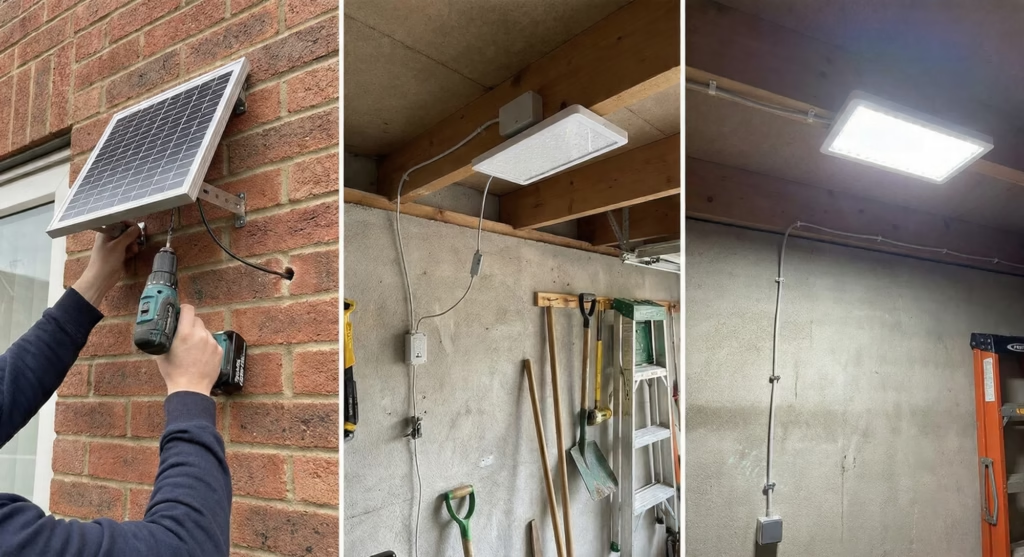
Placement flexibility is a major benefit. Many panels include adjustable brackets so you can tilt them toward the sun. Indoors, the light can go on a ceiling joist, wall surface or hanging hook. In a living room, some people mount the fixture near the center of the ceiling as the main light. In garages, ceiling mounting is common because it spreads light across the workspace and keeps the lamp out of the way.
Portable and Task-Ready Options
Not every setup needs permanent mounting. Some solar powered lamps are built with a single hanging hook, tripod stand or magnetic base. These are useful in garages where you may want to move the light around or get close to a project. The tradeoff is capacity and brightness. Portable units are usually smaller and may not deliver the same runtime as fixed systems, but they work well as backup lighting or for corners of a garage that don’t need full illumination all night.
If you plan to rely on the light every evening, a fixed panel and permanent mount pay off. If the goal is to add lighting only during repairs, power outages or organizing sessions, a lightweight portable unit often does the job.
7. Useful Features Worth Having
Convenience and Control
A basic solar light will switch on and off automatically, but many homeowners appreciate added control. Motion sensors are common, especially in garages and utility spaces. They allow the light to stay off until someone enters the room, which can stretch runtime by hours. Remote controls are another popular upgrade. They let you switch modes, dim the light or set a timer without climbing a ladder or reaching up to the lamp.
Dimming is one of the most practical features in daily use. A medium power setting may be enough for relaxing in a living room or parking a car, and the lower draw keeps the battery from draining too fast after cloudy days.
Smart Options Showing Up
Some newer solar lights now include schedule timers, dusk-to-dawn modes and in a few cases basic app control. These features make the light act more like a wired home fixture. You can set it to fade after midnight or run at full power only when the garage door opens. None of these are strictly necessary, but they do help a solar powered system fit into everyday routines.
A good rule is to start by checking for motion sensing and multiple brightness levels. If the model also includes a remote or timer, consider that a useful bonus rather than a requirement.
8. What You Can Expect to Spend
Budget and Mid Range Picks
Prices vary depending on brightness, battery size and features. Entry level kits sell for about thirty to forty dollars. These usually offer a few hundred lumens of output and a smaller battery, which is enough for a single small room or a corner of the garage. Stepping into the sixty to one hundred dollar range brings better performance. You’ll typically see higher lumen ratings, larger batteries, motion sensing and sometimes a remote.
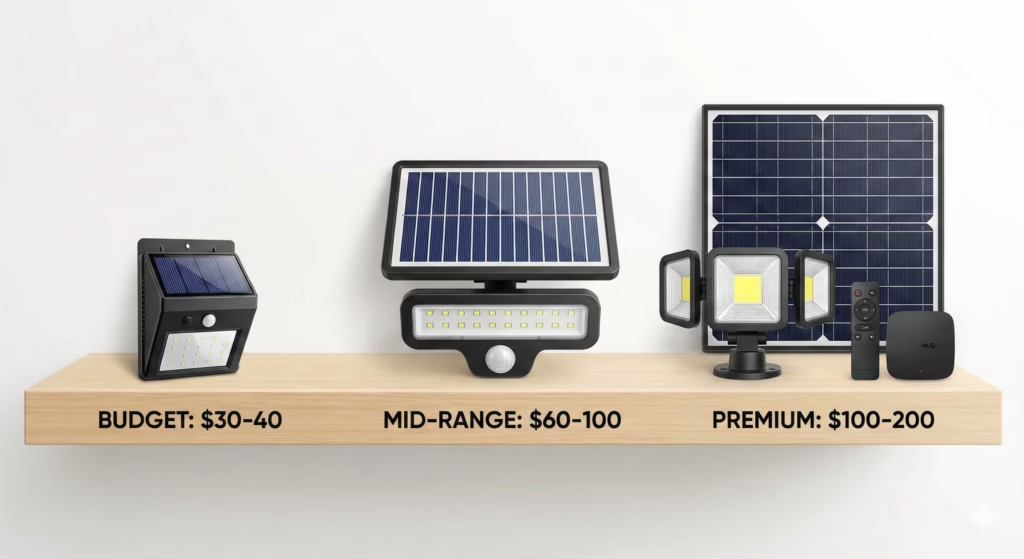
Homeowners who want a reliable daily-use setup often land in this mid tier. It balances cost and life expectancy, and most units provide six to twelve hours of usable lighting once the sun goes down.
Premium and Long Term Value
Larger systems climb into the one hundred to two hundred dollar range. These tend to ship with stronger panels, multi-head lamps or extra long cables. Output can reach into the thousands of lumens, which is ideal for bigger garages, two-car bays or a main living space that needs consistent lighting.
While the upfront price is higher, the long term payoff can be better. A well built light with a replaceable battery can run for several years before needing attention. The ongoing operating cost sits near zero since all power comes from the sun. Once installed, the only future expense may be a battery pack farther down the road.
9. Do Standards and Incentives Matter
Efficiency Benchmarks Worth Knowing
Many lights quietly meet or exceed common efficiency targets for LEDs. To put it in perspective, Energy Star uses a rough guideline of eight to ten watts for eight hundred lumens. That’s about eighty to ninety lumens per watt. Good LED boards in solar lighting can hit one hundred lumens per watt or even more. That means you get strong light from modest power.
Homeowners don’t need to memorize ratings, but it helps to know that a highly efficient LED keeps battery drain down, which translates to longer runtime during the night.
Where Incentives Apply
There are federal tax credits for solar power, but they mainly apply to full solar energy systems that power a home. Small standalone lamps generally don’t qualify. Still, many homeowners buy solar indoor lighting for savings, convenience or the ability to add light without wiring.
Even without rebates, the return adds up over time. Reliable solar lights chip away at electric bills and make it possible to illuminate parts of the house that might otherwise stay dark. For garages, sheds and rooms without outlets, the benefit is even more noticeable.
10. Final Tips Before Buying
Match the Light to the Room
Start with room size and how you’ll use the space. A living room where people relax or watch TV may only need moderate brightness with a dim option. A garage used for parking and quick chores does well with a brighter light and possibly motion sensing. If you plan to work on projects or repairs, think about adding a second fixture or a portable unit to cover shadowed areas.
Check the Essentials First
Look past the styling and make sure the basics line up with your home. Pick a system with a panel that can be mounted where it gets strong midday sun. Compare battery size and runtime rather than relying only on lumen claims. If parts are replaceable, that’s a strong plus. It means you can update or fix the light later instead of buying a whole new kit.
One more tip. Install a single light first to see how it performs through sunny and cloudy spells. You’ll quickly learn whether to add a second lamp or upgrade to a larger panel for deeper coverage.
11. Conclusion
Solar lighting gives homeowners a simple way to add bright and reliable light to living rooms, garages and other indoor spaces without running wire or climbing through attics. Once the panel is in the right spot and the battery has a full charge, the lamp takes on the work every night without touching your electric bill.
Choosing well at the start pays off. A good mix of brightness, battery size, efficient LEDs and smart positioning lets a solar powered light cover everyday tasks and backup situations comfortably. With more homes adopting off grid lighting and better technology showing up each year, it’s becoming an easy upgrade for anyone ready to brighten their home using nothing but the sun.