Learn how winter affects indoor solar lights, including panel charging, battery performance, brightness, and practical tips to improve winter use.
The best solar indoor lights for home setups can perform well year round, but winter brings shorter days, weaker sunlight, and more indoor placement challenges. Many users notice reduced charging speed and shorter run time during cold months, which often leads them to think their lights are failing when they are not. In reality, most winter issues come from panel positioning, limited sun exposure, and battery temperature effects. With a few smart adjustments, you can maintain steady brightness and reliable performance even in the darker season. This practical guide is designed as part of the complete solar indoor light handbook.
1. Solar Panel Charging Efficiency in Winter (Indoor Solar Lights)
1.1: Reduced Sunlight in Winter
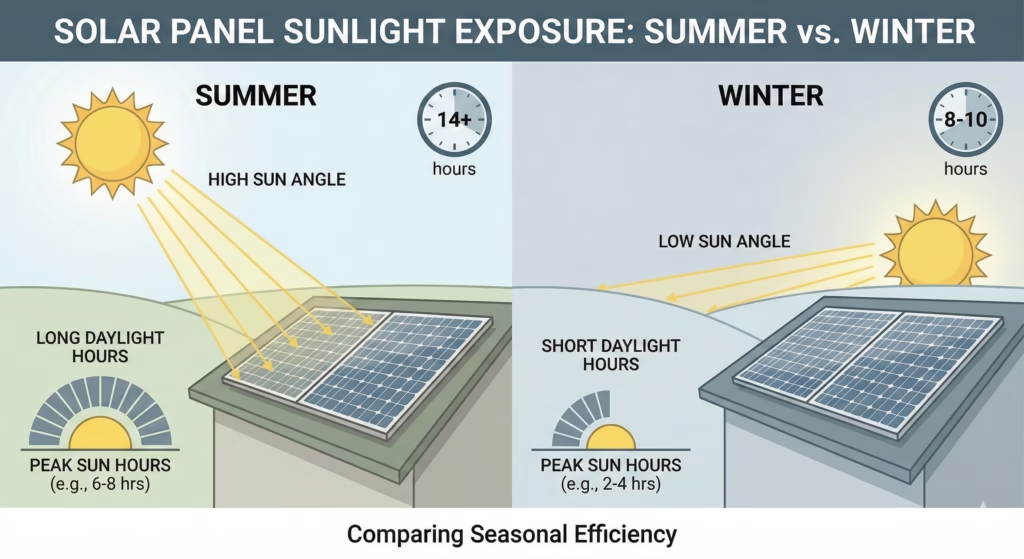
Winter brings fewer daylight hours and a lower sun angle, so solar panels typically receive only 3–4 peak sun-hours per day, compared to 5–7 hours in summer. This directly reduces how much energy solar indoor lights can collect. Data shows winter solar output is usually 20–40% lower than summer, simply because there is less usable sunlight.
1.2: Cold Temperatures Help, But Light Is Still Limited
Solar panels actually convert light more efficiently in cooler temperatures. Cold weather increases voltage output, which sounds positive. However, there is still less light available to convert. Short days, cloud cover, and low sun angles dominate, so overall energy production for indoor solar lighting systems still drops in winter.
1.3: Snow, Ice, and Dirt on Panels
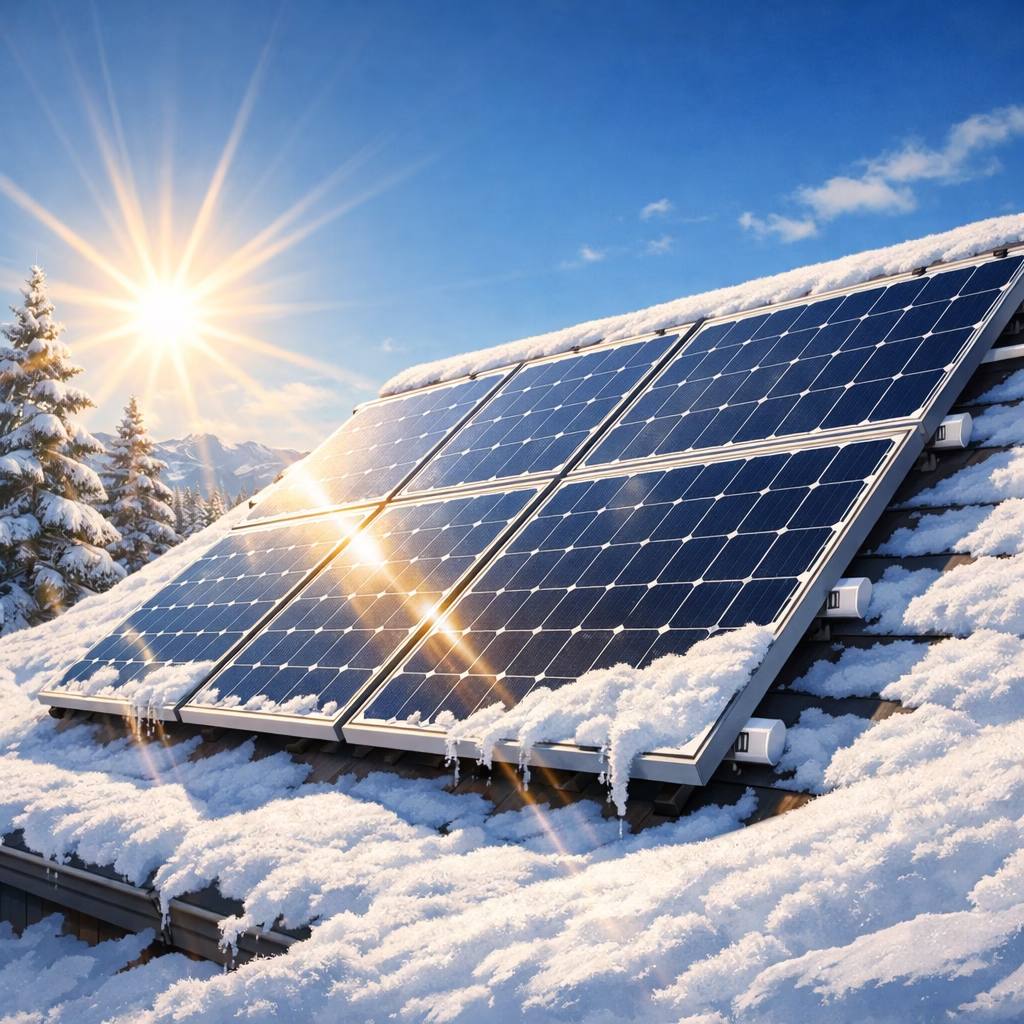
Snow or frost blocks sunlight almost completely. Even a thin layer can sharply reduce output. Panels often warm slightly in sunlight, so light snow may slide off, but heavy snow can take days to melt. Dirt, grime, or water droplets also refract light and reduce efficiency. Regular cleaning or brushing off snow restores performance and is critical for winter solar indoor lights.
2. Window Mounting Loss for Indoor Solar Panels
When solar panels are mounted indoors or behind glass, efficiency drops further. Standard window glass transmits around 90% of visible light but blocks most UV and infrared energy. Low-E or tinted windows reduce light even more, often causing 30–60% real-world power loss. For indoor solar lights, outdoor panel placement is always more effective than window mounting.
2.1: Albedo Effect From Snow
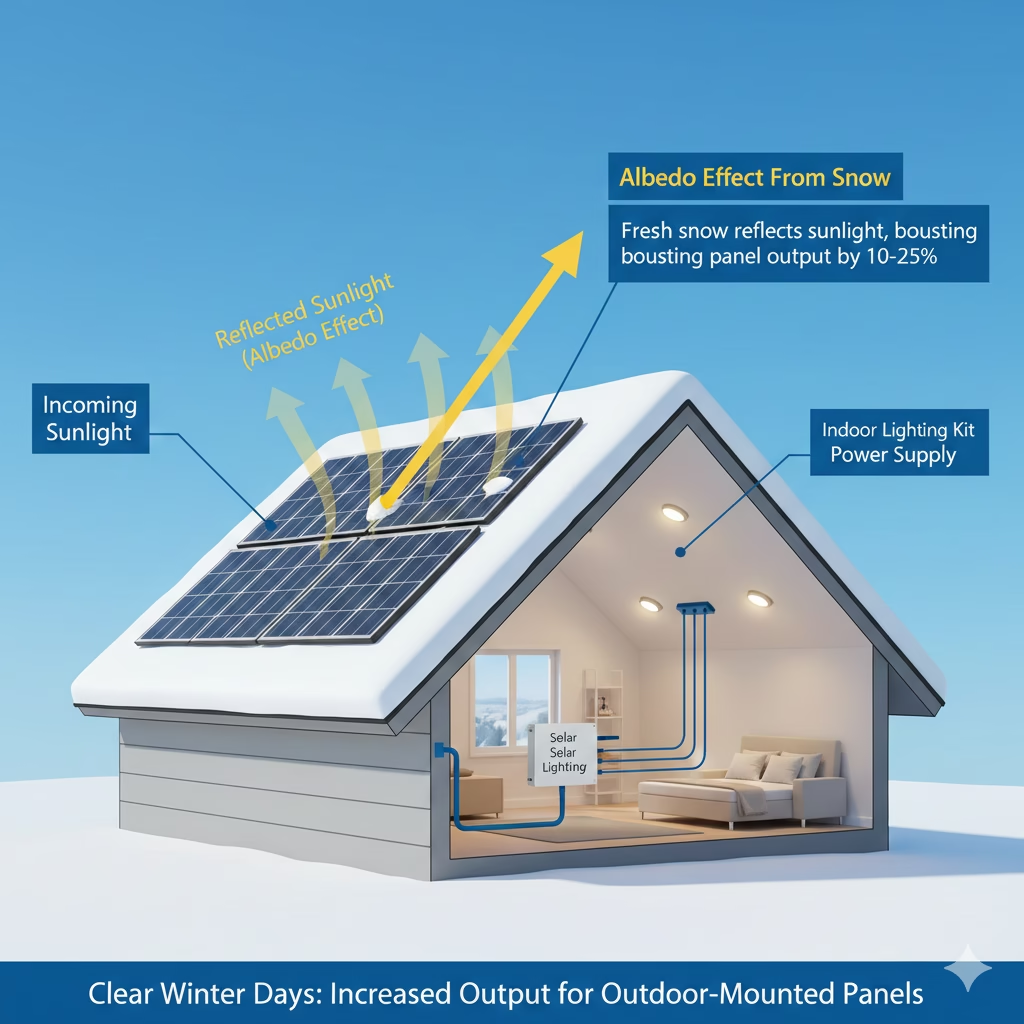
Fresh snow reflects sunlight back onto panels, especially tilted ones. On clear winter days, this albedo effect can boost output by 10–25%, partially offsetting shorter daylight hours. This benefit is most noticeable for outdoor-mounted panels feeding indoor solar lighting kits.
2.2: MPPT vs PWM Charge Controllers
Many affordable solar indoor light kits use PWM charge controllers, which work fine in summer but lose efficiency in winter. MPPT controllers adjust voltage dynamically and can harvest 20–40% more energy in cold, low-light conditions. If your system allows it, upgrading to MPPT is one of the most effective winter improvements.
2.3: Panel Angle and Orientation
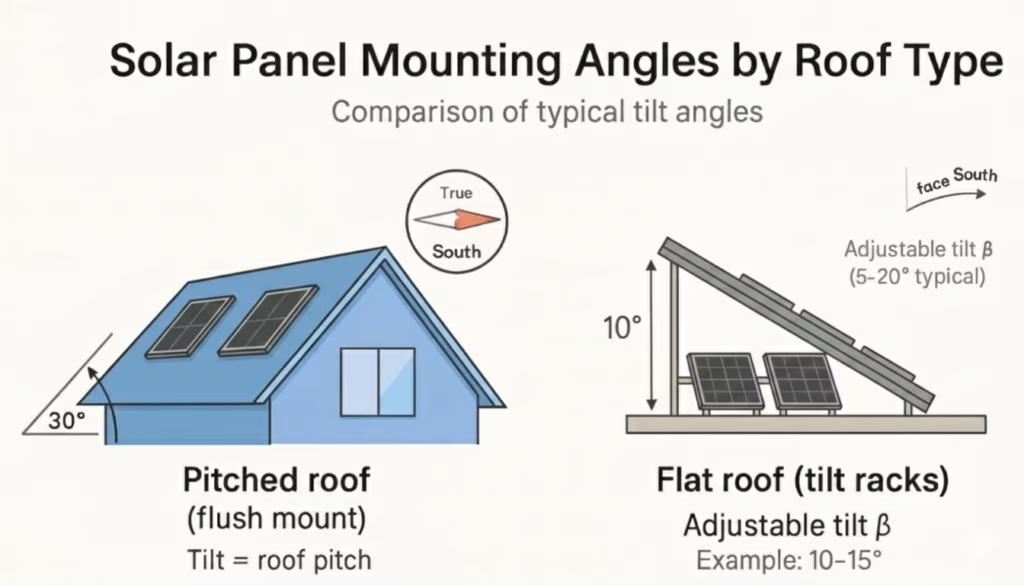
Because the winter sun stays low, panels should be tilted steeply, ideally 45–60 degrees from horizontal, and face south in northern latitudes. This angle improves light capture and helps snow slide off faster, keeping solar indoor lights charging more reliably.
3. Battery Performance and Runtime in Winter
3.1: Cold Reduces Battery Capacity
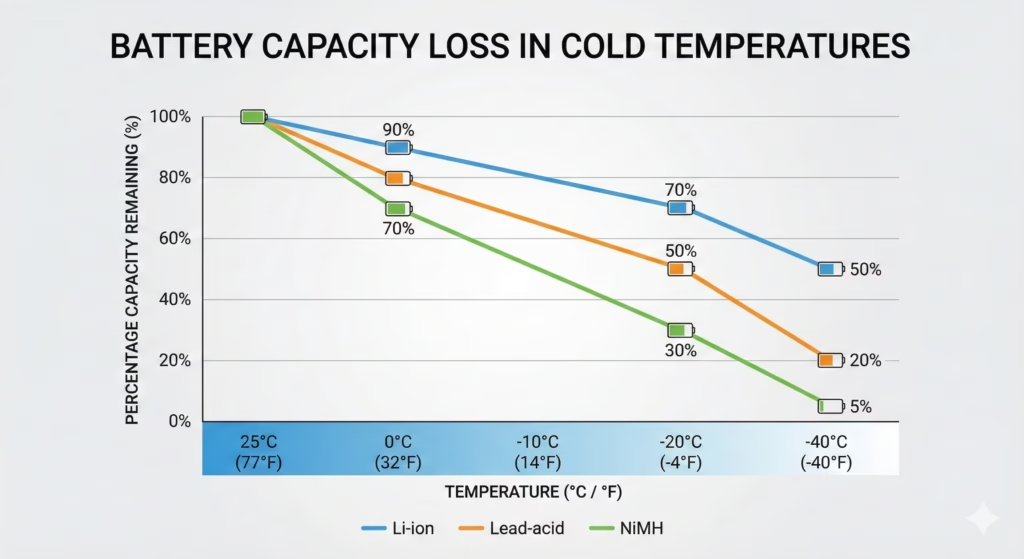
Battery chemistry slows down in cold weather. Internal resistance increases, reducing both storage and delivery of energy. Near 0°C, NiMH batteries lose a large portion of usable capacity. Lead-acid and AGM batteries can lose 30–50% capacity at –20°C, which directly shortens indoor solar light runtime.
3.2: Battery Type Matters
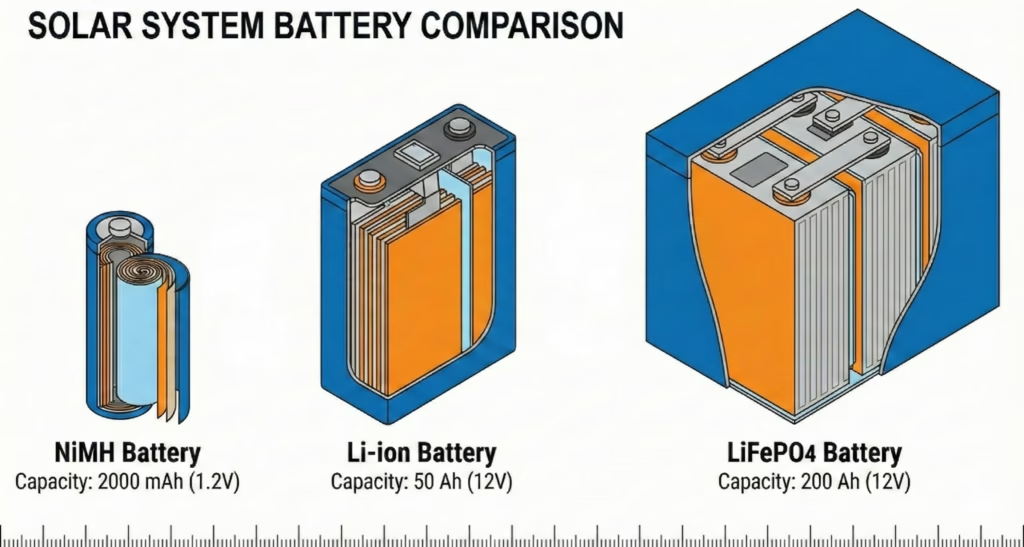
NiMH batteries, common in low-cost solar lights, perform poorly in winter. They charge slowly, discharge quickly, and may refuse to charge when cold. Lithium-ion and LiFePO₄ batteries handle cold better and retain more charge. However, most lithium batteries should not be charged below freezing unless they have built-in low-temperature protection.
Modern LiFePO₄ batteries with self-heating or low-temperature cutoffs are ideal upgrades for solar indoor lighting systems. They can maintain 80–90% capacity in sub-zero temperatures and safely charge at much lower temperatures than standard cells.
3.3: State of Charge and Nightly Runtime
Because winter charging is weaker, batteries often do not fully recharge during the day. A partially charged or cold battery starts the night at a disadvantage, so lights turn off earlier or appear dimmer. In extreme cold, usable battery capacity may drop to 40–60%, significantly reducing runtime.
3.4: Keeping Batteries Warm
Placing the battery pack indoors or inside an insulated enclosure improves performance. Even simple insulation can keep batteries a few degrees warmer, allowing better charging and longer light duration. Pre-charging batteries in moderate temperatures also helps solar indoor lights perform more consistently at night.
4. Brightness and Light Duration in Winter
- Shorter and Dimmer Lighting :With reduced charging, solar indoor lights may turn on later, shut off earlier, and appear dimmer. Many users notice shorter illumination times during winter months as batteries struggle to reach full charge.
- LED Efficiency Helps: LEDs consume very little power, which allows solar lights to keep running even on limited charge. Still, maximum brightness drops when batteries are cold or undercharged. Some systems automatically reduce brightness to extend runtime.
- Smart Power Controls: Indoor solar light kits with motion sensors or dual-brightness modes perform better in winter. Running at reduced brightness until motion is detected helps conserve energy when charging conditions are poor.
5. Common Winter Challenges for Solar Indoor Lights
- 1.Snow and ice buildup blocking panels or fixtures
- 2.Cold-start failures when batteries drop below operating limits
- 3. Moisture ingress causing corrosion or short circuits
- 4. Overcast skies reducing solar gain by ~20% or more
- 5.Shading from low sun angles, walls, or debris
5. Tips to Improve Indoor Solar Light Performance in Winter
- Maximize Sun Exposure: Tilt panels to 45–60 degrees, face them south, and remove shading where possible. Relocating panels even slightly can make a noticeable difference.
- Keep Panels Clean: Brush off snow, ice, and debris regularly. Clean panels absorb significantly more light, even during cloudy winter days.
- Improve Battery Protection: Insulate battery packs or keep them indoors. Avoid charging batteries below freezing unless they are designed for it.
- Upgrade Batteries When Possible: Replace NiMH cells with lithium-based batteries rated for cold weather. LiFePO₄ options last longer, charge more efficiently, and perform better in winter.
- Improve Waterproofing: Seal exposed seams with silicone and ensure wiring is rated for cold conditions to prevent moisture damage.
- Use reflective surface: Placing white boards or reflective material around indoor panels can increase light capture by 10–25% in low-sun conditions.
- Slightly Oversize the System: Adding an extra small panel or higher-capacity battery improves reliability during the shortest winter days.
- Monitor Performance: If your kit supports app monitoring, track daily charge levels to spot winter deficits early and adjust placement as needed.
Final Takeaway
Winter reduces solar charging, but solar indoor lights can still work reliably with the right setup. Proper panel angle, clean surfaces, better batteries, and thoughtful placement make a measurable difference. By compensating for winter losses, indoor solar lighting systems remain a practical and efficient solution even in cold, low-sun months.