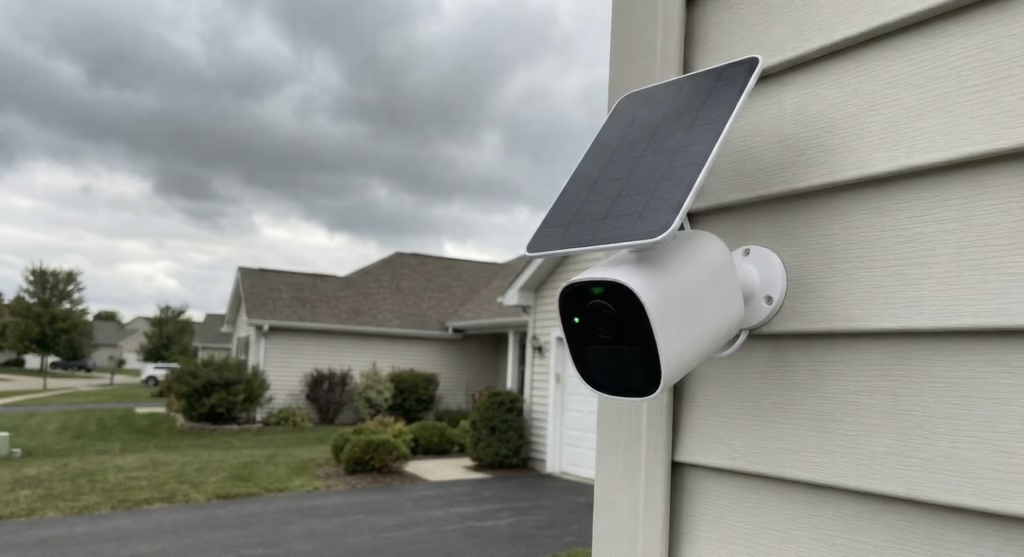
The question comes in every mind when people want to switch from their wired CCTV cameras system to the wireless solar CCTV cameras system is that these CCTV cameras works on cloudy days. Do these solar CCTV cameras continue functioning when the sun is not shining brightly.
The short answer is yes, solar CCTV cameras can work on cloudy days. But understanding exactly how they perform in less-than-ideal weather conditions requires looking at the technology behind them and the real-world numbers that matter.
1. The Science Behind Solar Power in Overcast Conditions
Solar panels don’t require direct, blazing sunshine to generate electricity. They can capture diffused and indirect light that filters through cloud cover, though admittedly at reduced efficiency. How solar panels perform in cloudy weather depends largely on cloud density and thickness.
During heavy cloud cover or rain, solar panels typically generate about 10% to 25% of their normal output.
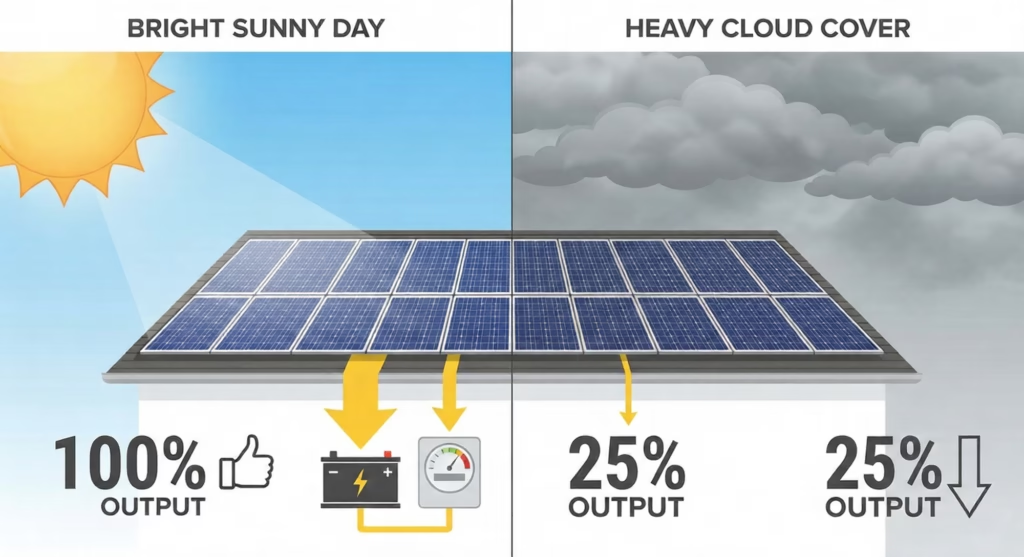
On partly cloudy days, when breaks in the clouds allow periodic sunlight through, performance improves significantly, reaching anywhere from 30% to 60% or more of standard capacity. Some estimates suggest that thick overcast conditions might reduce output to just 10% to 33% of what you’d see on a clear day.
What This Means for Your Solar Camera:
This variability means that while your solar camera’s charging rate will definitely slow down during extended cloudy periods, it won’t stop working entirely. The panels continue converting available light into usable energy, just at a fraction of their sunny-day capability.
2. How Solar CCTV Cameras Stay Operational Without Direct Sunlight
The secret to reliable performance isn’t just the solar panel itself; it’s the built-in rechargeable battery system. Solar-powered CCTV cameras are designed with energy storage as a core component of their functionality.
During sunny days, the solar panel generates more electricity than the camera immediately needs. This excess energy charges the battery, building up reserves for later use. When cloudy or rainy days arrive and solar generation drops, the camera seamlessly draws from this stored power to maintain operation.
This design philosophy ensures continuous surveillance regardless of weather fluctuations. You’re not dependent solely on real-time solar generation; instead, you have a buffer of stored energy to bridge the gaps.
3. Battery Backup: Your Safety Net During Extended Overcast Periods
- Typical Backup Duration: One of the most critical specifications when evaluating solar CCTV cameras is battery backup duration. Most modern solar CCTV camera systems can operate for 4 to 7 days without sunlight on a full charge. Premium models equipped with larger capacity batteries can extend this runtime even further.
- Performance During Extended Cloudy Periods: For basic operations like motion detection and recording, many systems can sustain functionality for 1 to 3 days of cloudy conditions before battery levels become a concern. High-capacity setups designed for professional or remote installations might offer several days of backup power, even through prolonged cloudy periods.
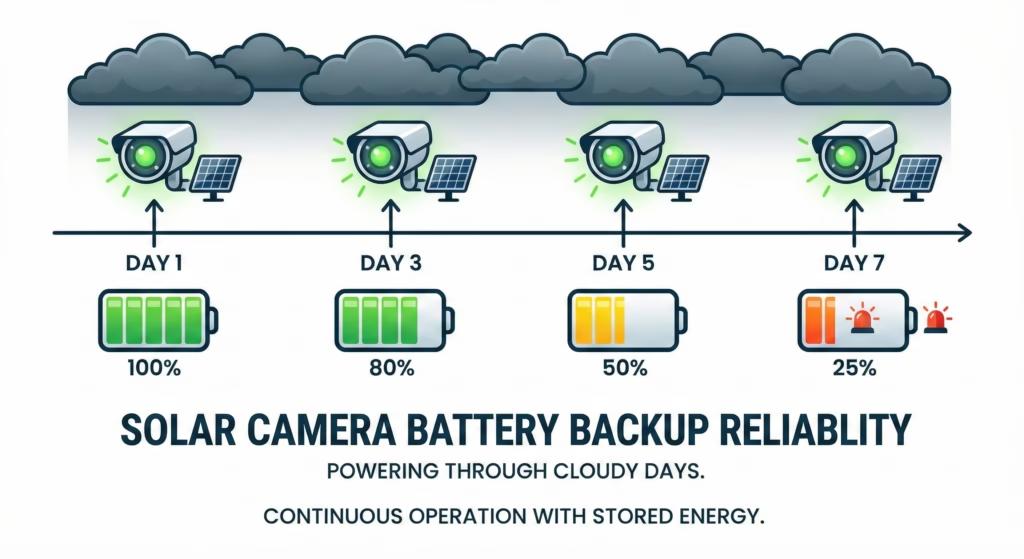
This backup capability is what truly answers the question “can solar cameras work on cloudy days?” Yes, they can—and they can do so for nearly a week in many cases, giving you peace of mind even during stretches of poor weather.
4. Sunlight Requirements for Optimal Performance
Recommended Daily Sunlight Hours:
While solar CCTV cameras can function on cloudy days, they do need periodic sun exposure to maintain full battery charge over the long term. To stay fully charged under normal conditions, most outdoor solar cameras recommend receiving 3 to 6 hours of direct sunlight per day.
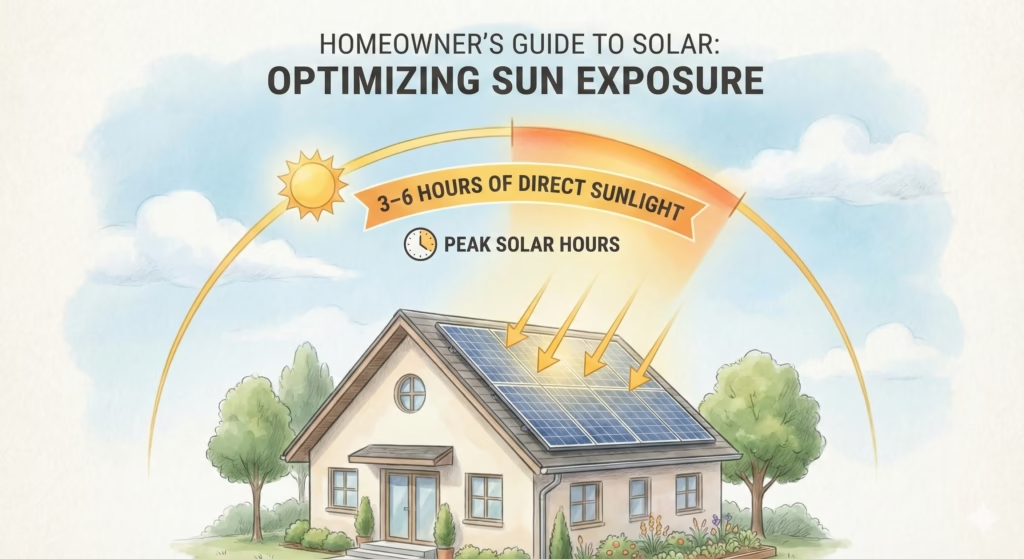
This requirement isn’t unreasonable in most climates. Even regions known for frequent cloud cover typically see enough cumulative sunlight over a week to keep batteries topped up, especially when combined with the reduced charging from diffused light on overcast days.
Charging Efficiency Drop on Overcast Days:
However, it’s important to understand the charging efficiency drop on overcast days. In cloudy or heavily shaded conditions, the rate at which the battery recharges can slow by 50% or more compared to sunny conditions. This means that while your camera will continue operating, it may not fully replenish its battery reserves as quickly, making proper installation all the more important.
5. Installation Strategies to Maximize Cloudy-Day Performance
Optimal Placement Strategies:
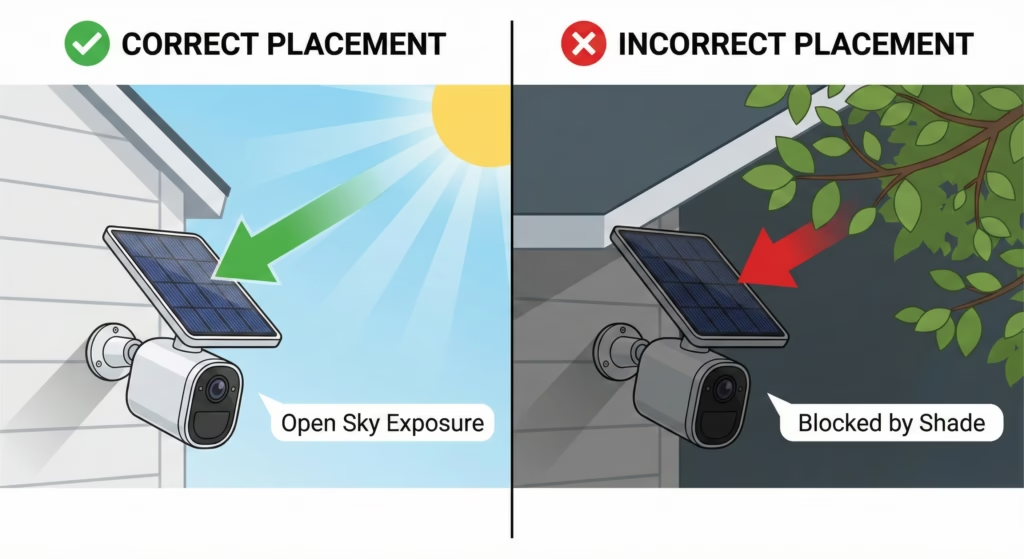
How well your solar CCTV camera works on cloudy days depends significantly on installation factors within your control.
- Placement matters enormously:positioning panels toward open sky without obstruction from trees, buildings, or other shade sources will improve energy capture even under diffused light conditions.
- Panel Orientation and Maintenance: Panel orientation and tilt angle should be optimized for your geographic location to maximize exposure throughout the year. Keeping panel surfaces clean and free from dirt, leaves, or snow ensures that whatever light is available gets converted efficiently into electricity.
- Sizing Considerations for Cloudy Climates: For areas with frequent cloud cover, investing in systems with larger solar panels and higher capacity batteries provides additional insurance. Larger panels capture more of that reduced cloudy-day light, while bigger batteries store more energy during sunny periods to bridge longer stretches of overcast weather.
Summary of Key Facts and Figures
1. Solar Generation Performance
- Heavy cloud cover: 10%–25% of sunny output
- Partly cloudy days: 30%–60% of sunny output (varies by cloud density)
- Overall range: 10%–60% depending on weather conditions.
2. Battery Backup Capabilities
- Typical runtime without sunlight: 4–7 days on full charge
- Basic operation during clouds: 1–3 days sustained performance
- Premium systems: Several days or longer with high-capacity batteries.
3. Charging Requirements
- Recommended direct sunlight: 3–6 hours per day for full recharge
- Charging speed reduction: 50% or more slower in cloudy/shaded conditions.
Can we say that solar CCTV cameras work on cloudy days?
Solar CCTV cameras can absolutely work on cloudy days thanks to their ability to harness diffused light and their reliance on stored battery power. While solar generation drops to 10% to 60% of sunny-day output depending on cloud density, built-in batteries typically provide 4 to 7 days of backup runtime, with some systems lasting even longer.
The key to reliable year-round
Performance lies in three factors: adequate panel size to capture available light, proper placement to maximize exposure to open sky, and sufficient battery capacity to store energy for extended periods without full sun. With 3 to 6 hours of direct sunlight recommended for optimal daily recharge, most locations receive enough cumulative sunshine even with regular cloudy days to keep systems running smoothly.
Understanding these facts and figures helps set realistic expectations. Solar-powered security cameras aren’t fair-weather devices; they’re engineered specifically to handle the variability of real-world conditions, including plenty of cloudy days. With thoughtful installation and appropriately sized components, they deliver dependable surveillance regardless of what the weather brings.